Can You Hike the Inca Trail Without a Guide
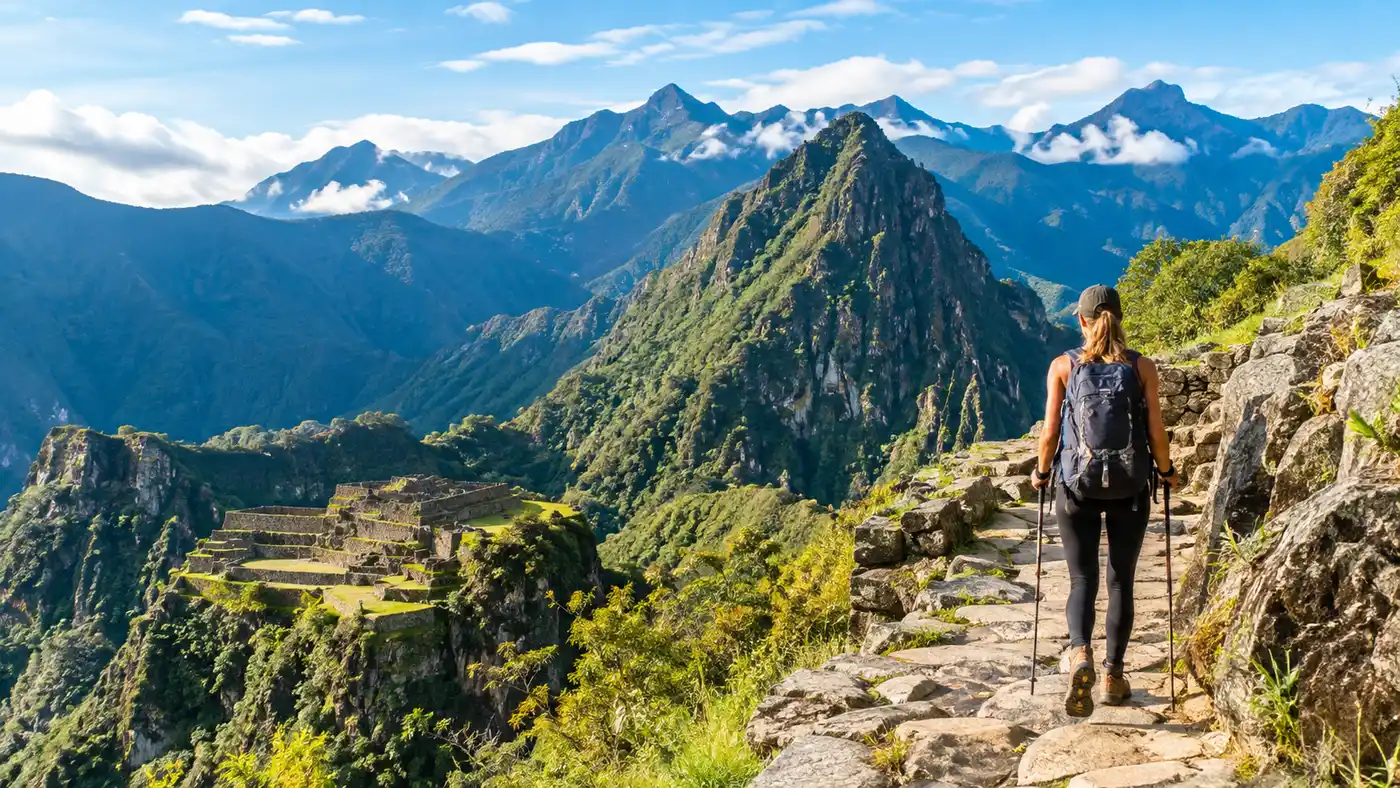
If you are wondering whether can you hike the inca trail without a guide, the quick, unfiltered answer is no. You cannot lace up your boots, pack a tent, and stroll past the control gate at Kilometer 82 on your own. The Peruvian government put an end to independent trekking on this specific route decades ago, meaning every single hiker walking those ancient stone steps must be accompanied by an officially registered, licensed guide.
Every year, thousands of independent hikers search the web hoping to find an overlooked loophole, an off-season pass, or a back entrance. French backpackers hunt for information on walking the chemin de l inca sans guide, while seasoned Appalachian Trail or PCT thru-hikers assume their wilderness experience qualifies them to bypass local agency requirements. It does not. The trail is watched closely, the rules are rigid, and the checkpoints along the Urubamba River do not bend. If your heart is set on trekking without a paid chaperone hovering nearby, you have to look beyond the classic cobblestone road to the ancient citadel.
The Law: Why Solo Trekking Was Banned
Back in the 1980s and 1990s, anyone could show up in Ollantaytambo, catch a train, jump off into the brush, and walk toward Machu Picchu. It was cheap. It was wild. It was also an ecological disaster.
Campers left piles of toilet paper blooming behind every boulder. Campfires scorched fragile Andean polylepis groves. Trekkers carved initials into ancient masonry and pitched heavy canvas tents directly on fragile Incan agricultural terraces. Trash washed down gullies into the river. In 2001, the Peruvian Ministry of Culture alongside SERNANP stepped in and established the Inca Trail Regulatory Plan. By 2002, the rule became absolute: you cannot walk the trail without a certified guide, a licensed operator, and a registered permit.
People still grumble about it on travel forums. Independent travelers hate feeling like herded cattle. Still, when you walk those stairs today and see spotless stone paths, carefully maintained drainage channels, and functioning compost toilets, you understand why the state made this call. The trail would simply not exist in its present form if solo backpackers were still trampling through unregulated.
To put it simply, the question of whether can you hike the inca trail without a guide was settled by the authorities long ago to save the monument from being loved to death. If you show up at the trailhead at Piscacucho alone, armed guards and park rangers will simply turn you away. Sneaking around the checkpoint is impossible because sheer canyon cliffs box you in, and there are three more ranger stations down the line where your passport gets stamped against an official government manifest.
Book your cusco inca trail experience:
Permits, Quotas, and the Checkpoint Reality
The permit machine is relentless. The government issues 500 permits per day for the classic trail. That number sounds generous until you realize that around 300 of those daily slots go to the support crews: guides, cook staff, and porters. Only about 180 to 200 actual tourists begin the trek on any given morning.
Every single permit is tied directly to your passport number. You cannot swap names. You cannot change dates if your flight gets canceled. If your passport expires between booking and hiking, you have to carry both the old physical passport and the new one to the bridge checkpoint at Kilometer 82. The park ranger sits in a small concrete booth, takes your passport, checks it against their printed daily manifest, inspects your guide's physical license, and stamps your entrance ticket. They run the same drill again on day three at Phuyupatamarca and Wiñay Wayna.
Note: Park rangers inspect original physical passports at every single trail station. A digital copy or high-resolution phone photo gets rejected immediately, stranding you at the rail line.
A registered guide can shepherd up to eight hikers. If a private group has nine people, the company must hire a second licensed guide by law. These guides undergo three to four years of specialized tourism training at universities in Cusco, study Quechua history, and carry wilderness first-aid certifications. You are paying for their legal credentials, their logistics, and their safety training, whether you want an escort or not.
Legitimate Alternatives You Can Trek Without a Guide
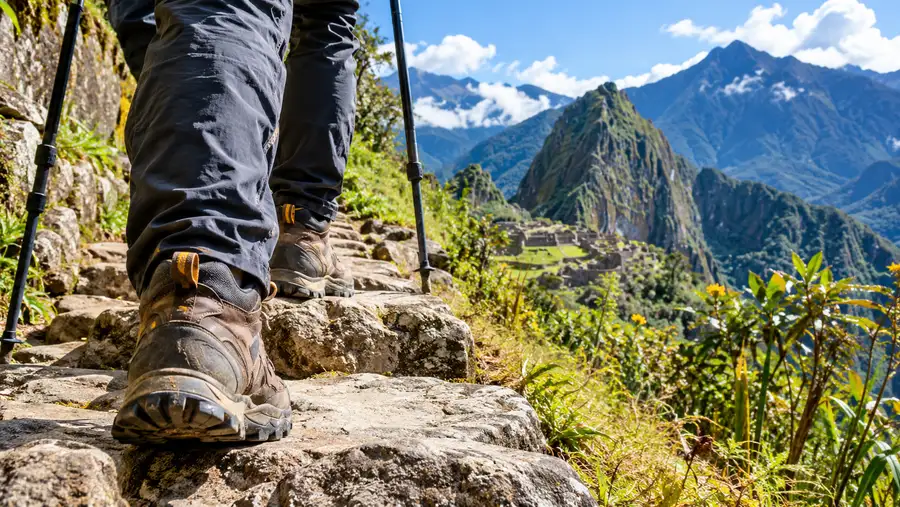
If you flatly refuse to join an organized tour, do not despair. Peru is packed with soaring trails through the Vilcabamba and Vilcanota mountain ranges where wild camping is completely legal and no permits exist. If you want to experience the Andes on your own terms, you just have to choose a path that does not carry the formal Inca Trail brand name.
- Salkantay Trek: This is the premier unguided option. You start in Mollepata or Challacancha, climb over the freezing 4,630-meter Salkantay Pass, and drop into lush cloud forest before hitting the train tracks at Hydroelectric. You sleep in dome camps, budget guesthouses, or your own tent, carrying food or buying hot meals from local families along the way.
- Choquequirao Trail: Massive, punishing, and almost empty. You hike two days down into the searing Apurímac Canyon and pull yourself up the other side to an Incan citadel larger than Machu Picchu, with only a fraction of the visitors. No guides, no booking limits, just pure trail grit.
- Lares Trek: A cultural walk through high-altitude pastoral valleys where alpaca herders live in stone huts. You can take local minivans (combis) from Calca, hop out, and follow trails over high passes without paying permit fees or checking in at ranger huts.
None of these routes walk through the Sun Gate directly into Machu Picchu. That specific entrance belongs exclusively to the regulated Inca Trail network. With alternative treks, you finish by arriving at Aguas Calientes (Machu Picchu Pueblo) via bus or train, sleeping in town, and entering the archaeological site through the main visitor gates the following morning.
| Route | Guide Required? | Permit System | Typical Days | Accommodation |
|---|---|---|---|---|
| Classic Inca Trail | Yes (Mandatory) | Strict (500 daily limit) | 4 Days | Designated Wilderness Campsites |
| Short Inca Trail (KM 104) | Yes (Mandatory) | Strict (250 daily limit) | 1-2 Days | Hotel in Aguas Calientes |
| Salkantay Route | No (Optional) | None (Trail fee at start) | 4-5 Days | Guesthouses, Domes, or Tents |
| Lares Valley | No (Optional) | None | 3-4 Days | Village Homestays or Wild Camping |
| Choquequirao | No (Optional) | Park ticket at gate | 4-5 Days | Designated rustic campsites |
Understanding how hard the Inca Trail feels compared to unguided paths like Salkantay helps frame the decision. The Inca Trail is intensely physical due to uneven rock stairs, but on an unguided hike like Salkantay or Choquequirao, you carry all your own gear, food, sleeping pad, and fuel across high mountain passes without a team of porters sprinting ahead to set up camp.
Book your cusco inca trail experience:
Short Inca Trail Without Camping and Day Treks
Travelers who hate sleeping on frozen dirt often look into a short Inca Trail experience. This route begins at Kilometer 104, cutting out the brutal Dead Woman's Pass and dropping you straight into the sub-tropical cloud forest below Wiñay Wayna.
Can you tackle this short inca trail without camping on your own? Again, the rule stands. Even though it is only a single day of walking followed by a night in a brick-and-mortar hotel room in Aguas Calientes, Kilometer 104 falls under the exact same protected national sanctuary umbrella. You must have a pre-purchased permit, and you must walk behind an authorized tour guide.
Pro tip: If booking the two-day trek, ask agencies about their private departure options. The cost is often only $75 to $110 more per person than a cattle-call group, and your guide will tailor the pacing to your personal stamina.
The beauty of this short option is simplicity. You leave Cusco early on the morning train, hop off on a suspended bridge over the river, show your credentials, and spend six hours climbing past water fountains and orchids. You reach Inti Punku (the Sun Gate) in the late afternoon just as the big tour crowds leave. Then, instead of sleeping in a sleeping bag, you ride the bus down to town, take a hot shower, eat wood-fired pizza, and return to tour the ruins the next morning.
Can You Hike Machu Picchu Without a Guide?
Confusion often swirls around the difference between the multi-day mountain trail and the ancient city itself. Many people ask: can you hike machu picchu without a guide once you are actually at the gate of the ruins?
A few years ago, the Ministry of Culture declared guides mandatory for every visitor entering the citadel. Signs went up, and freelance guides swarmed the turnstiles offering their services. In everyday practice, enforcement inside the ruins varies wildly depending on which circuit you walk.
If you enter the main circuits (Circuit 1, 2, or 3) during peak mid-morning hours, park attendants occasionally check if you have a guide attached to your ticket. Often, independent travelers holding valid entrance tickets walk straight past the turnstile without an escort, and nobody stops them. If you book specialty climbing permits for Huayna Picchu or Machu Picchu Mountain, a guide is not required. You sign your name into the trail ledger at the internal checkpoint, hike the steep steps to the summit alone, and sign out on your way back down.
Even so, the Inca Trail itself remains bulletproof. Inside the ruins, regulations might feel casual or inconsistent, but along the trail from Kilometer 82, there is zero ambiguity. You simply will not make it past the first bridge without a registered company banner leading the way.
Hiring an Agency Without Losing Your Mind
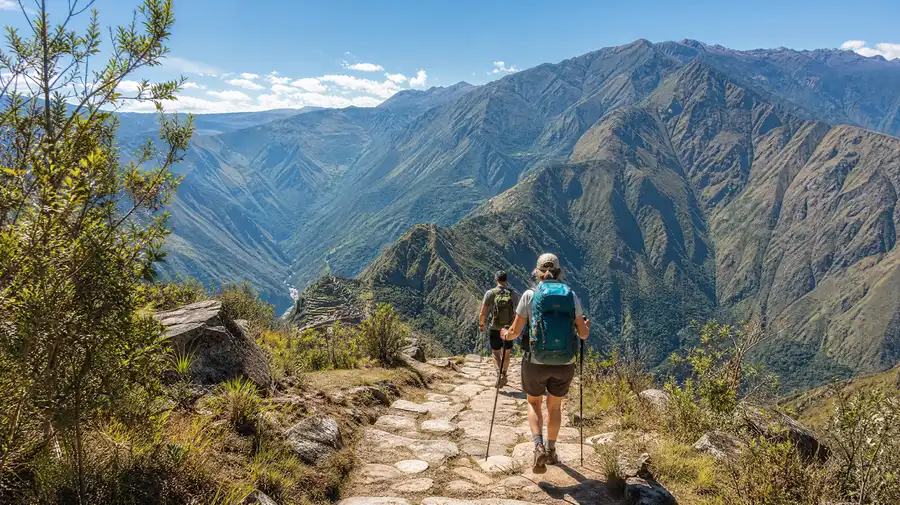
Since doing an inca trail without guide is impossible, your task shifts to picking an outfit that does not make you feel like a child on a mandatory school field trip. Cusco has over two hundred licensed operators, ranging from sweatshop budget bucket shops to luxury glamping companies serving wine out of crystal goblets.
When selecting who carries your gear and coordinates your permits, look for specific operational details rather than flashy websites:
- Porter welfare compliance: Ensure the operator supports the Porteadores federation, provides fair pay, pays weight-check fines, and supplies decent sleeping gear and warm food for the crew.
- Group size ceilings: Aim for companies that cap groups at 8 to 10 trekkers. Hiking behind fifteen strangers strung out across a narrow stone trail quickly ruins the wilderness solitude.
- Included transit connections: Confirm the ticket back from Aguas Calientes to Ollantaytambo is on an actual train (Expedition or Voyager) rather than an agonizing six-hour night van from the Hydroelectric plant.
- Emergency gear: Ask plainly if the guide carries a pulse oximeter and an emergency oxygen bottle. Altitude sickness on day two hits without warning.
Expect to pay anywhere from $700 to $1,100 per person for a reliable four-day group trek with decent equipment and ethical porter treatment. Anything under $600 suggests somebody is being shortchanged, and it is usually the men carrying forty-pound packs up Dead Woman's Pass.
Booking windows matter enormously. Because permits are tightly capped, May, June, July, and August slots usually evaporate five to seven months in advance. If you decide in April that you want to trek in June, you will not find permits on the classic path, forcing you onto an unguided alternative like Salkantay whether you planned for it or not.
The entire trail shuts down completely every year in February. Heavy rains cause mudslides, and teams of conservation workers spend the month scrubbing steps, repairing washouts, and clearing vegetation. Even if you found an empty checkpoint in February, you could not walk it legally.
Frequently Asked Questions about can you hike the inca trail without a guide
Can you hike inca trail without guide if you are an experienced mountaineer?
No. Your personal qualifications, climbing resumes, or wilderness first-aid certifications do not grant any exemption. The law applies equally to novice vacationers and veteran Himalayan climbers.
What happens if you try to sneak onto the trail without a permit?
You will be caught at one of the military or park ranger checkpoints along the railway or mountain passes. You face immediate expulsion, confiscation of gear, steep fines from SERNANP, and possible deportation from Peru.
Can I hike from Aguas Calientes up to Machu Picchu without a guide?
Yes. The steep staircase that connects the town of Aguas Calientes to the bus entrance of the citadel can be walked completely independently without a guide or permit, provided you have a valid Machu Picchu ruins entry ticket waiting for you at the top.
Why do French travelers search for chemin de l inca sans guide?
Backpacking culture in Europe relies heavily on open-access mountain trails (like the GR routes) where wild camping and unguided trekking are standard. Many French hikers arrive unaware that South America's most famous path operates under strict commercial concession rules.
Are guides required for the Salkantay Trek?
No. The Salkantay route crosses municipal and communal mountain lands outside the strict national historic sanctuary system. You can walk it completely self-supported with your own tent and stove.
Quick Reference
- Classic Inca Trail: 100% mandatory guide requirement.
- Permit cap: 500 total entrants per day (roughly 200 tourists).
- Top unguided alternative: Salkantay Trek (4-5 days, no guide needed).
- Trail closure: Every year during the month of February.
- Machu Picchu Citadel: Guide officially required, though enforcement at the gate fluctuates.
Book your cusco inca trail experience:
The Bottom Line
Accepting that you cannot tackle the classic path solo saves a lot of wasted energy and logistical headaches. If you want the original stonework, the Sun Gate view, and the drama of walking straight into the ruins, swallow your pride and book with a solid local agency months ahead. If you crave untamed freedom, campfires, and walking for days without seeing a tour group flag, skip the classic route entirely and point your boots toward Salkantay or Choquequirao. Peru has room for both kinds of adventure, as long as you play by the rules of the mountain you choose.
Read more about cusco inca trail.