Best Time to Hike the Inca Trail
Most people will tell you there is only one right window to walk into the Andes, but after spending years answering questions about Peru, I know it is never that simple. Choosing the best time to go to inca trail depends entirely on whether you hate shivering inside your down sleeping bag more than you hate walking in a waterproof poncho. The Andes do not negotiate with tourists. You get clear skies paired with sub-zero nights, or you get balmy afternoons wrapped in thick gray mountain mist.
Every single month brings a distinct trade-off along this 26-mile stone path. From permit release frenzies to flash downpours on granite steps, timing your journey properly makes the difference between gazing across Sun Gate at sunrise or staring into a wall of damp, white clouds.
Book your cusco inca trail experience:
The Dry Season: June to August
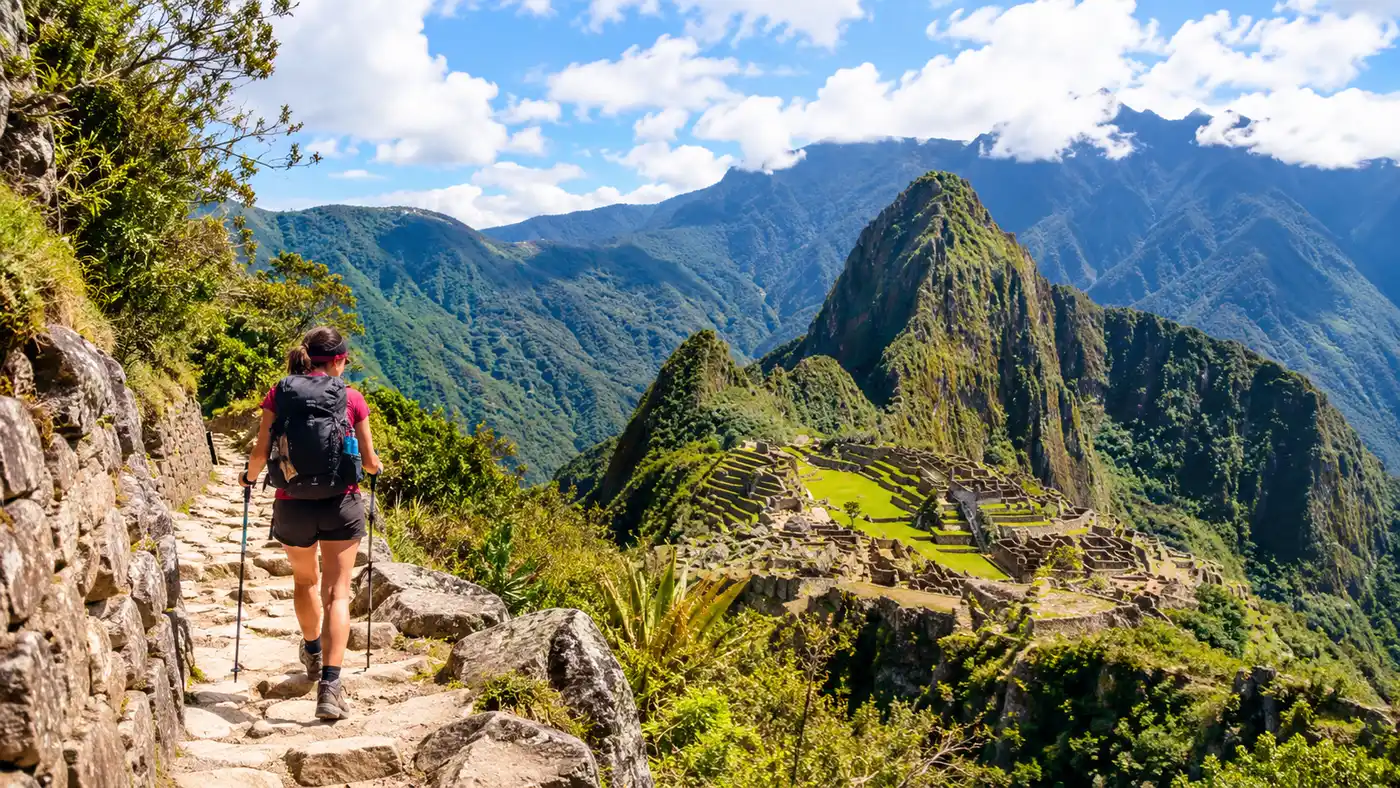
This is winter in the southern hemisphere. Clear skies rule the days, and tourists flood Cusco by the thousands. If you look at postcard photos of Machu Picchu bathed in crisp golden sunshine, they were almost certainly snapped between June and August. The Andes are stark, dry, and dramatic during this window. Mountain peaks cut sharply against deep blue backgrounds, and trail mud dries out into firm, dusty dirt.
Daytime walking conditions are glorious. Temperatures hover right around 18°C or 19°C under direct sunlight, which feels warm when you are hauling yourself up steep switchbacks toward Dead Woman's Pass. You will hike in a short-sleeve shirt for hours. Then the sun drops behind the ridges around 5:30 PM, and the heat vanishes instantly. Nights at the high camps like Pacaymayo and Chaquicocha routinely plunge to -3°C or even lower. I once woke up to thick frost lining the inside seam of my tent fabric, and peeling my body out of my sleeping bag took genuine mental courage.
Pro tip: Pack two pairs of warm merino wool socks reserved exclusively for sleeping inside your tent. Never hike in them, because even slight sweat moisture will turn your feet into ice blocks once nighttime temperatures drop below freezing.
Crowds are the real tax you pay for this crisp weather. This is peak Inca Trail weather by month, and every campsite operates at its legal capacity of 500 people per day, including guides, porters, and camp cooks. You will never have the trail entirely to yourself. You will wait in short lines to pass slow walkers on narrow sections, and dinner in the dining tents is loud. If you want blue skies and dry stone steps, this is undisputedly the best time to hike inca trail to machu picchu, but you must make peace with the buzz of humanity around you.
Bookings for these three months disappear almost instantly. When permits open for the following year, typically in October or November, June and July slots vanish in a few business days.
The Shoulder Seasons: May and September to October
Ask seasoned guides in Cusco when they prefer walking the trail, and almost all of them name May or October. These transitional windows offer the sweet spot that obsessive planners look for. You escape the peak mid-winter crowds, the temperatures stay reasonable through the dark hours, and the scenery alternates between lush hillsides and broad mountain views.
May is spectacular because the wet season has just ended. The hills are brilliant emerald green, wild orchids bloom through the cloud forest past Phuyupatamarca, and the rivers roar down in the valleys. Nights are cool, usually hovering around 4°C, but they rarely reach the brutal sub-zero chill of July. You will run into occasional showers, maybe 30 minutes of afternoon rain that sweeps across the pass, followed by blazing sunshine that dries your boots before supper.
- May conditions: vivid green landscapes from recent rains, clear mornings, moderate crowd numbers, and comfortable evening temperatures.
- September conditions: landscape looks dry and golden brown, spring warmth returns, crowds thin out noticeably after August, and occasional early storms bring quick rain.
- October conditions: warmer nights around 7°C, fewer hikers on the trail, orchids blooming again, but increasing chances of heavy afternoon rain showers.
September and October bring spring warmth back to the high sierra. Dust replaces mud, and the nights become comfortable enough that you can sit outside your tent after dark to watch the Milky Way stretch across the peaks. You will see far fewer groups crowding the scenic viewpoints at Runkurakay. For many walkers, this balance makes September the best time of year to hike inca trail without fighting through bottlenecks on the trail.
Do keep in mind that October marks the beginning of the rain shift. You might hike three days in brilliant sunlight, only to have day four wash out in a relentless afternoon storm. If you don't mind slipping a waterproof shell on and off a couple of times a day, shoulder season delivers unmatched trekking value.
The Wet Season: November to March
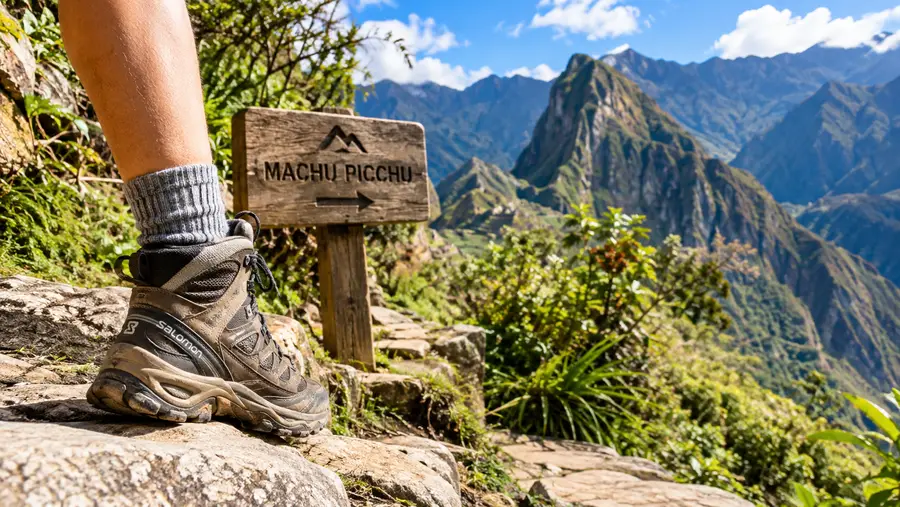
Rain transforms the trail. From late November through March, moist air currents roll in from the Amazon basin and slam straight into the eastern slopes of the Andes. What starts as a fine morning mist often turns into steady, soaking rain by 1:00 PM. The stone steps laid down by the Incas five centuries ago become slick as polished glass, demanding total focus with trekking poles on every descent.
Yet walking in these conditions has real magic. The cloud forest comes alive. Spanish moss drips from gnarled trees, bromeliads swell with water, and waterfalls appear on rock faces that sit bone-dry all through July. You will encounter tiny groups of hikers. Some mornings, arriving at ruins like Sayacmarca feels like stepping into an untouched world because no one else is standing inside the stone doorways. If you are considering hiking the Inca Trail in the rainy season, you trade mountain panoramas for solitude and lush greenery.
Note: The entire Classic Inca Trail is legally closed for maintenance throughout February every year. Salkantay, Lares, and the citadel of Machu Picchu remain open, but the main stone route does not allow a single hiker while crews repair drainage channels and steps.
January brings some of the heaviest deluges of the year. Landslides occasionally block railway tracks between Ollantaytambo and Aguas Calientes, forcing train operators to pause or reroute services. Rain gear must be flawless here; cheap disposable ponchos will shred against trailside brush within two hours, leaving you soaked to your thermal base layers. You have to decide if that raw experience fits your hiking style.
Book your cusco inca trail experience:
Month-by-Month Weather and Conditions Overview
To help you figure out the best time for inca trail hike planning, the breakdown below tracks real historical averages across the trekking corridor between Kilometer 82 and Machu Picchu. Rain volumes jump fast as autumn slides into wet summer, while high elevation night temperatures do the exact opposite.
| Month | Day Temp (°C) | Night Temp (°C) | Rainfall (mm) | Crowd Level | Trail Conditions |
|---|---|---|---|---|---|
| January | 19°C | 8°C | 155 mm | Low | Very wet, slippery stones, cloud cover |
| February | - | - | - | Closed | Trail closed for official maintenance |
| March | 19°C | 7°C | 110 mm | Moderate | Drying out, vibrant green valleys |
| April | 20°C | 5°C | 45 mm | Moderate | Occasional showers, clear mornings |
| May | 20°C | 3°C | 10 mm | High | Dry ground, great visibility, crisp nights |
| June | 19°C | -1°C | 4 mm | Peak | Very dry, sunny days, freezing nights |
| July | 19°C | -3°C | 3 mm | Peak | Coldest nights, zero mud, high demand |
| August | 20°C | 0°C | 8 mm | Peak | Dry winds, dust on trail, clear skies |
| September | 21°C | 4°C | 25 mm | High | Mild evenings, light showers possible |
| October | 21°C | 6°C | 50 mm | Moderate | Pleasant temperatures, sporadic rain |
| November | 21°C | 7°C | 85 mm | Moderate | Afternoon showers frequent, humid |
| December | 20°C | 7°C | 120 mm | Moderate | Wet paths, lush foliage, fog patches |
Keep in mind that high passes generate their own localized microclimates. Even in the bone-dry month of July, moisture can swirl over Warmiwañusqa without warning, dropping temperatures by 10 degrees in roughly fifteen minutes. Mountain weather does what it wants.
Practical Factors Beyond Weather: Permits, Holidays, and Crowds
Weather is only half the puzzle when deciding when is the best time to hike the inca trail. You also have to navigate rigid Peruvian bureaucracy and local cultural calendars that reshape logistics on the ground. A sunny week means little if you cannot secure an official permit entry slot.
The Peruvian Ministry of Culture issues strictly 500 permits per day for the classic four-day route. Roughly 300 of those go directly to support staff, porters, and trekking guides, meaning only about 200 actual hikers step onto the trail each morning. These permits are named, non-transferable, and non-refundable. If you want to walk in June, booking seven or eight months in advance is not paranoia; it is mandatory.
- Inti Raymi festival: takes place annually on June 24 in Cusco, drawing massive international crowds that drive up regional hotel rates and fill hiking permits months earlier than normal.
- National holidays: Fiestas Patrias runs on July 28 and 29, bringing domestic tourists from Lima into the Sacred Valley and filling transport connections.
- Permit launch date: government booking systems traditionally open between October and November for the entire following calendar year, triggering a global booking rush.
- Acclimatization days: you need at least 48 to 72 hours in Cusco before starting the trek, regardless of season, to let your red blood cells adapt to 3,400 meters.
Cusco during festival weeks feels electric. Brass bands march past colonial churches, and dancers fill the Plaza de Armas day and night. Joining those festivities right before hiking out to the trailhead creates an unforgettable trip. The downside is that train seats to Ollantaytambo sell out, budget hotels double their room rates, and you will pay top dollar for flights out of Lima.
If you prefer a quieter experience where you can absorb the quiet sanctity of Quechua villages, avoid late June and the entire month of July. Hiking in early November or late March gives you a far more personal connection with your porters and the trail itself, assuming you own sturdy Gore-Tex gear.
Frequently Asked Questions about best time to go to inca trail
What is the absolute best month to hike the Inca Trail?
May is widely considered the single best month. The wet season has just wrapped up, leaving mountainsides vivid green and lush, while rain totals drop off significantly. Daytime temperatures remain pleasant, nights are rarely freezing, and crowd sizes stay below the crushing July peaks.
Can I hike the Inca Trail during February?
No. The Classic Inca Trail is completely closed every February for trail conservation, environmental cleanup, and safety repairs. Alternative routes like the Salkantay Trek and direct trains to Machu Picchu remain operational, though February experiences the heaviest rainfall of the entire year.
Is it worth hiking during the rainy season?
Yes, if you prioritize quiet trails, blooming flora, and dramatic mist over postcard-perfect mountain views. November and March are great options for hikers who want fewer crowds and don't mind periodic rain showers. You just need reliable waterproof layers and sturdy boots with good traction.
How cold does it actually get at night?
During June, July, and August, nighttime temperatures at higher campsites routinely drop between 0°C and -5°C. In shoulder and wet months, night temperatures typically stay warmer, hovering between 4°C and 8°C. A quality sleeping bag rated to at least -10°C is essential for winter treks.
Quick Reference
- Best overall balance: May and September
- Dry, clear skies: June through August
- Trail closed entirely: all of February
- Wettest months: December, January, and March
- Permits required: 500 daily limit year-round
Book your cusco inca trail experience:
The Bottom Line
No season along the trail is universally perfect, because nature always demands a trade-off. If guaranteed clear skies and bright sun are non-negotiable for your once-in-a-lifetime photo at the Sun Gate, book your permits for June, July, or August and pack thermal underwear for the frigid nights. If you want fewer people and greener scenery, aim for the sweet shoulder weeks of May or September. Pick your dates, get your permit locked down early, and break in your hiking boots long before you touch down in Peru.
Read more about cusco inca trail.