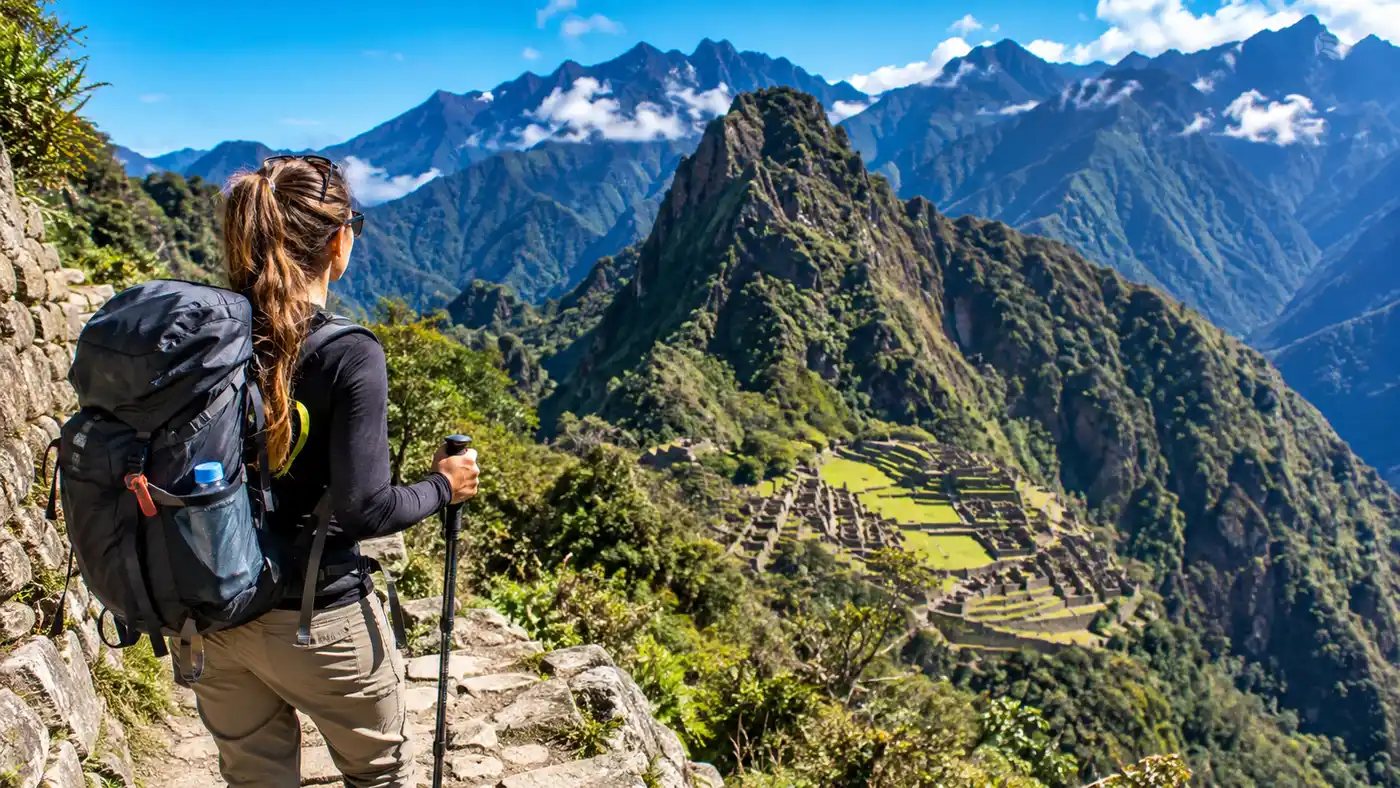
Inca Trail Packing List Complete Guide
My first night in Cusco was spent staring at a chaotic pile of nylon, wool, and blister tape scattered across the wooden floor of a drafty hostel room. Every trekking agency gives you a canvas duffel bag at the pre-trek briefing, and they drop an uncompromising rule on you right away: your porter duffel cannot exceed 6 kilograms, and your sleeping bag eats up nearly half of that allowance. Nailing down an accurate inca trail packing list before you arrive in Peru is not just about staying comfortable on the mountain passes, it keeps you from making frantic, overpriced gear runs through the San Pedro market an hour before shops close.
The Andes will throw sub-freezing camp nights, baking alpine sun, and sideways valley downpours at you within a single afternoon. If you bring too much, you pay for it in sweat carrying a swollen daypack up thousands of stone steps. If you skimp on the wrong essentials, you spend four days shivering in damp fleece. This guide breaks down exactly what needs to go into your porter bag, what stays glued to your back, and what you should leave locked safely in Cusco.
Book your cusco inca trail experience:
The Duffle vs Daypack Split: Understanding Weight Rules
Peruvian labor law strictly protects porters by capping their pack weight at 20 kilograms, which includes camp gear, cooking equipment, and food for the entire group. Because of that, agencies assign each trekker a personal weight limit between 5 and 8 kilograms for the duffel bag that travels ahead with the team. For example, the standard G Adventures Inca Trail packing list enforces a tight 6-kilogram maximum for your duffle, and that includes both your sleeping bag and your sleeping pad.
Once you hand that duffel over to the porters at the trailhead around 7:00 in the morning, you will not lay eyes on it again until you stumble into camp late in the afternoon. Everything you need between sunrise and sunset must fit into your personal daypack. That means rain gear, warm layers, camera, passport, cash, sunscreen, snacks, and water stay glued to your shoulders all day long.
Note: Some budget agencies weigh your duffel on a hanging spring scale right at the breakfast stop on day one. If you clock in at 6.3 kg, they will bluntly hand you your damp wool socks or heavy bottle of shampoo to stuff into your own daypack.
Finding the sweet spot between your two bags takes a little planning. A daypack in the 25 to 32 liter range works best for most people. Anything smaller will not fit your waterproof jacket, three liters of water, and lunch box on days with wild weather shifts; anything larger tempts you to pack unneeded junk that ruins your knees on the descents.
| Gear Item | Carried By | Target Weight | Access During Day |
|---|---|---|---|
| Sleeping bag & camp clothes | Porter (Duffel) | 2.0 - 2.8 kg | Camp arrival only |
| Toiletries & camp shoes | Porter (Duffel) | 1.0 - 1.5 kg | Camp arrival only |
| Spare trekking socks & shirts | Porter (Duffel) | 1.2 - 1.8 kg | Camp arrival only |
| Water (2-3 liters) & snacks | You (Daypack) | 2.5 - 3.2 kg | Immediate access |
| Rain gear, fleece & first aid | You (Daypack) | 1.8 - 2.5 kg | Immediate access |
| Passport, money & electronics | You (Daypack) | 0.8 - 1.2 kg | Immediate access |
Clothing Layers: What to Wear and What to Pack
Cotton is your worst enemy on an Andean trail. When you climb the steep steps toward Dead Woman's Pass at 4,215 meters, you will sweat profusely regardless of how cold the wind feels. Cotton soaks up that moisture and stays wet for hours. As soon as you pause to catch your breath, the icy breeze cuts straight through your chest. Merino wool and polyester synthetics dry fast and regulate temperature far better when you are working hard.
The secret to keeping your pack light is wearing the same outer shell pieces daily while rotating base layers against your skin. You do not need four separate hiking outfits for a standard trek. Two hiking shirts, one pair of convertible or stretchy trekking pants, and three pairs of wool socks will carry you clean through the trail if you keep a completely dry, separate set of thermal underwear locked away inside a dry bag for sleeping. Knowing exactly what to wear on the Inca Trail during the day keeps your pack manageable.
Pro tip: Pack every single clothing item inside individual gallon Ziploc bags or lightweight roll-top dry sacks. Duffel bags sit on muddy ground outside tents, and heavy rain can penetrate even water-resistant porter sacks while they run.
- Base layers: Bring two lightweight merino wool short-sleeve or long-sleeve shirts for hiking, plus one midweight thermal top and bottom set dedicated strictly for sleeping.
- Trekking pants: One pair of durable, quick-drying hiking trousers. Stretchy nylon blends handle high stone steps far better than rigid zip-off cargo pants.
- Insulation layer: A packable down or synthetic puffy jacket. You will live in this piece every evening when temperatures plunge below freezing at the second campsite.
- Hard shell rain gear: A breathable waterproof jacket with a hood and pit zips, along with lightweight rain pants. Ponchos tear easily on narrow rocky passes.
- Socks and underwear: Three pairs of medium-cushion wool hiking socks, one pair of thick sleeping socks, and three to four moisture-wicking synthetic briefs.
- Headwear: A wide-brim sun hat for scorching high-altitude UV, paired with a fleece beanie that covers your ears for frosty mornings.
Health, Hygiene, and Trail Toiletries
Camp bathrooms along the classic route range from basic flush toilets at the early stops to rudimentary squat pits higher up the mountain. By day three, toilet paper is rarely stocked by trail staff, and soap is virtually nonexistent outside of private agency setups. A smart hygiene kit prevents gastrointestinal issues that ruin trips faster than altitude sickness ever could.
Hand sanitizer must stay reachable on the outside of your daypack. Pull it out before every snack, after bathroom breaks, and before sitting down in the dining tent. Baby wipes or specialized body wipes are your substitute for a shower over four days. Pack around twenty-five wipes in a resealable pouch, keeping them inside your porter duffel so they do not weigh down your shoulders during the afternoon climb.
Blisters become an urgent issue on day two when descending thousands of uneven Inca paving stones. Pack moleskin, medical tape, and several hydrocolloid blister bandages before you take your first step out of Ollantaytambo. If you feel a hot spot developing on your heel at 10:00 in the morning, stop immediately on the trail and tape it up. Do not wait for lunch; ten minutes of friction on granite steps will strip your skin down to raw tissue.
Sun protection requires serious attention because the UV index in the Peruvian Andes regularly exceeds extreme levels. Pack a broad-spectrum SPF 50 sunscreen stick for your face, zinc lip balm, and polarized sunglasses with solid side coverage. The thin air offers very little natural filtration against solar burn, especially when you walk across open cloud forest plateaus.
Book your cusco inca trail experience:
Hardware, Sleeping Gear, and Electronics
Cold mountain air kills lithium camera and phone batteries with startling speed. The second camp, usually Pacaymayo or Chaquicocha, sits well above 3,500 meters where overnight frost coats tent flies. If you leave your smartphone or camera loose in the tent floor pocket, the charge will drop twenty percent while you sleep. Keep all personal electronics, including power banks, wrapped inside a wool sock inside the bottom of your sleeping bag overnight.
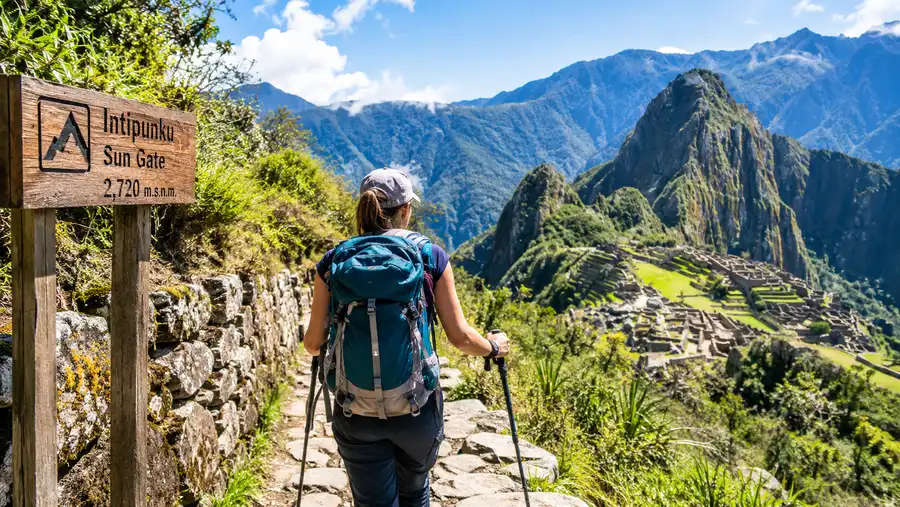
A headlamp with at least 250 lumens is an absolute requirement, not a suggestion. Day four starts around 3:30 AM in pitch blackness so groups can line up at the checkpoint before hiking toward the Sun Gate. Trying to negotiate slick, irregular Inca stairs with a phone flashlight in one hand is dangerous. Always carry three extra AAA batteries or ensure your rechargeable light was fully topped up in Cusco.
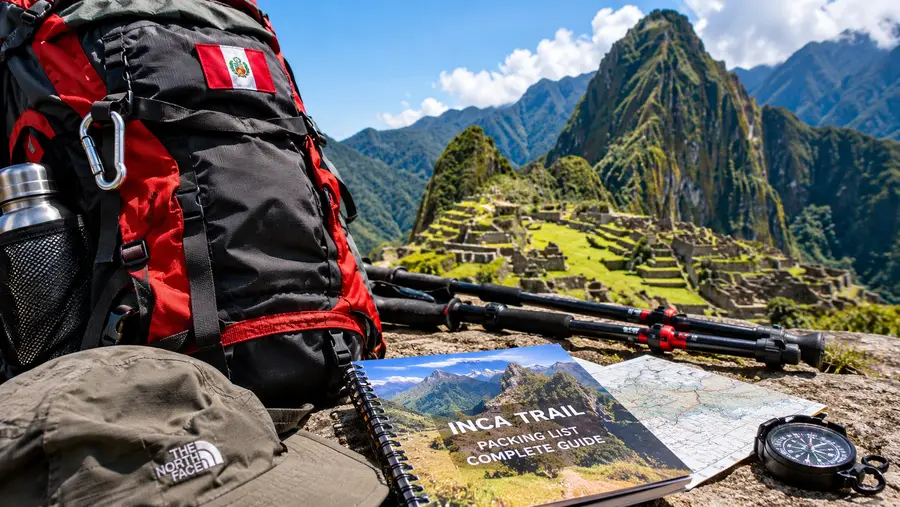
Trekking poles take tremendous pressure off your knees during the brutal descents of the classic Inca Trail 4 days itinerary. Trail rangers strictly enforce the use of protective rubber tips at every checkpoint because bare metal spikes chip away the historic stone paving. If you arrive at KM 82 with naked tungsten carbide tips, park guards will make you buy cheap rubber covers from trailside vendors for five soles before letting you pass.
- Sleeping bag rating: Rent or bring a bag rated to at least minus 5 degrees Celsius (20 degrees Fahrenheit). Down is warmer and compresses smaller, but synthetic bags still insulate if moisture seeps into the tent.
- Power bank: A rugged 10,000 to 20,000 mAh portable battery pack covers four days of phone photos and smartwatch tracking without issues. There are zero charging outlets along the trail.
- Water carrying: A two-liter hydration bladder inside your daypack combined with a sturdy one-liter wide-mouth bottle gives you three liters of capacity, which is essential for the long stretch across Warmiwañusqa.
- Trekking poles: One pair of lightweight collapsible aluminum or carbon poles fitted with intact rubber tips to protect ancient trail masonry.
What to Leave Behind in Cusco
Every ounce you shave off your porter duffle creates breathing room for warmth and camp comfort. Most hotels and hostels in Cusco provide secure, free luggage storage rooms where you can leave rolling suitcases, city clothes, and bulky souvenirs. Take full advantage of this service.
Leave heavy denim jeans behind; they are bulky, weigh over a pound, and dry slower than almost any textile known to man. Massive bottles of liquid shampoo, conditioner, and body wash have no business on the mountain. A single travel-sized bar of multi-use soap or a small bottle of biodegradable liquid soap handles handwashing and quick camp rinses easily.
Leave heavy reading books, bulky laptop computers, and multiple pairs of shoes in the city. You need one pair of broken-in hiking boots on your feet, plus a lightweight pair of running shoes or foam slides for padding around the tent site after twelve miles of rocky stairs. Heavy camp boots are dead weight.
Resist packing excessive snacks. Porters and trail cooks feed you an astonishing quantity of calorie-dense food: three-course hot lunches, afternoon tea with popcorn and biscuits, and warm dinners. Tucking two or three favorite energy bars or packs of electrolyte chewables into your daypack is wise, but lugging two pounds of trail mix across high passes is a mistake I see on every trip.
Frequently Asked Questions about inca trail packing list
What is the weight limit for the duffel bag on the Inca Trail?
Most reputable operators cap your porter duffel between 6 and 8 kilograms (13 to 17 pounds). Keep in mind this allowance almost always includes your sleeping bag and sleeping mat, which weigh roughly 2.5 kilograms combined, leaving you with roughly 3.5 to 5 kilograms for clothes and personal toiletries.
Can I rent a sleeping bag and trekking poles in Cusco?
Yes, nearly all trekking agencies in Cusco rent quality down sleeping bags rated for freezing weather and sturdy trekking poles with rubber tips. Expect to pay roughly $25 to $35 for sleeping bag rental across four days, and about $15 to $20 for a set of poles. Inspect the zippers and tip attachments during your pre-trek briefing.
Are hiking boots required or can I wear trail running shoes?
Sturdy trail running shoes with aggressive lug soles are popular and dry quickly, but hiking boots offer far superior ankle support on uneven Inca stone steps. The descent from Dead Woman's Pass involves over 3,000 irregular rock steps; if your ankles are prone to rolling, a mid-cut boot is much safer.
Quick Reference
- Porter duffel limit: 6 to 8 kg total including sleeping bag
- Daypack capacity: 25 to 32 liters with rain cover
- Mandatory trail rule: Rubber tips on all trekking poles
- Power supply: 10,000 to 20,000 mAh external battery pack
- Camp weather: Nights regularly plunge below 0°C (32°F)
Book your cusco inca trail experience:
Before You Zip the Bag
Packing for the Inca Trail comes down to discipline over fear. It is natural to worry about being cold, dirty, or hungry in the mountains, but loading up your bag with emergency backup sweaters and extra toiletries just trades mental anxiety for physical strain. porters carry the heavy camp infrastructure, and the cooks will keep you full; your only job is managing your own body temperature, hydration, and feet. Lay everything out on the floor 48 hours before departure, weigh your duffel with a luggage scale, pull out three things you realistically will not touch, and you will set out from KM 82 feeling light, capable, and ready for the climb.
Read more about cusco inca trail.