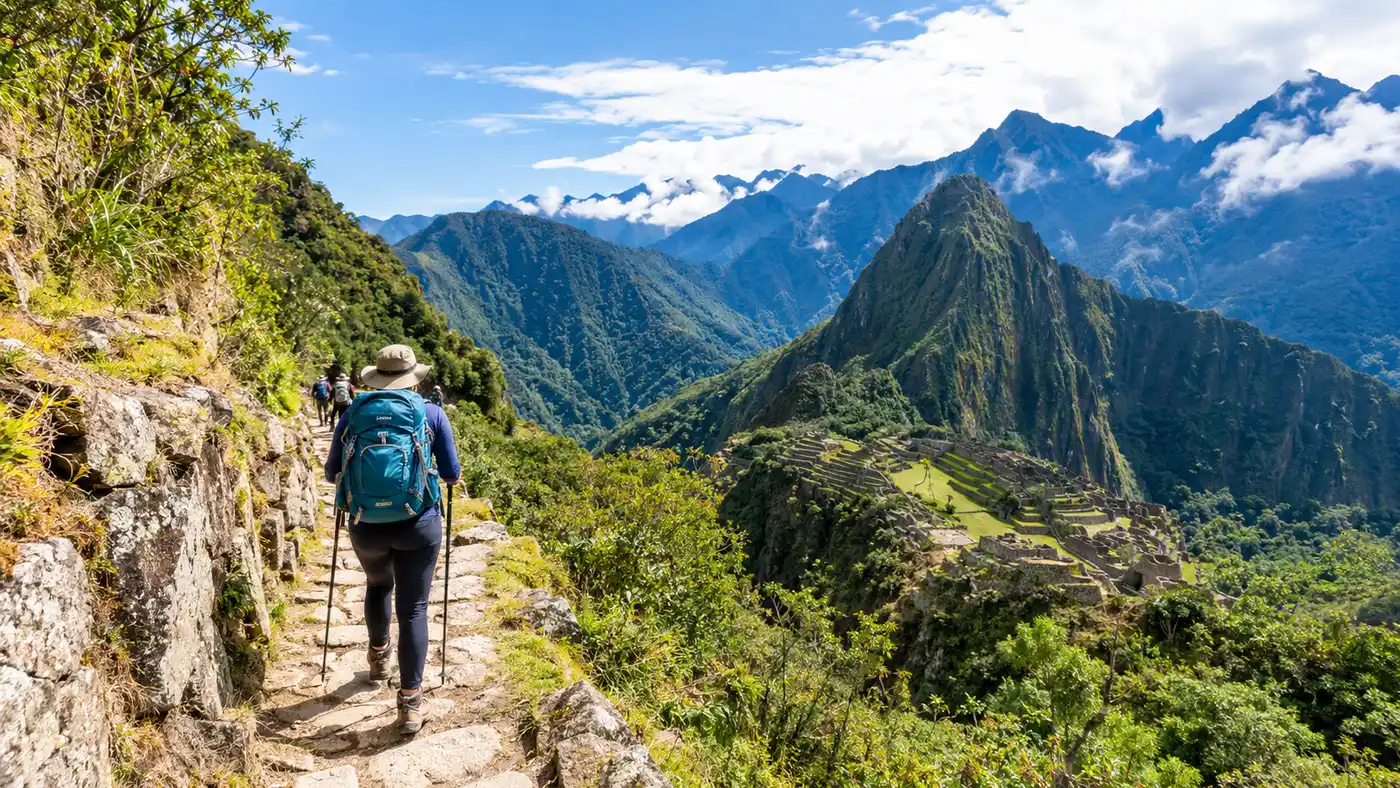
Inca Trail Weather by Month
You can wake up at 5:00 AM scraping frost off the inside of your canvas tent, hike four hours under a relentless subtropical sun, and finish your afternoon scrambling across slick granite steps in a torrential Andean downpour. That sort of wild swing is simply ordinary life on the classic trail. Before you book non-refundable flights to Cusco, getting a firm grip on real-world inca trail weather makes the difference between the trek of a lifetime and four days of soggy misery.
The Andes do not care about your itinerary. Elevation on the trail ranges from roughly 2,400 meters at the Sun Gate down near the cloud forest all the way up to 4,215 meters at Dead Woman's Pass. Because of those extreme topographical shifts, standard forecasts for Cusco will mislead you completely. Here is a month-by-month breakdown of what the skies, temperatures, and mountain trails actually do throughout the calendar year.
Book your cusco inca trail experience:
Understanding the Seasons: Inca Trail Dry Season vs Wet Season
The Southern Hemisphere calendar defines life in the Peruvian highlands. Instead of four distinct seasons like you might get in North America or Europe, you get two main climate cycles: the dry season and the rainy season. Sandwiched between them are a few fleeting shoulder weeks that offer their own rewards if you do not mind taking a gamble on the skies.
May through September marks the traditional dry winter. Blue skies dominate the mornings, photography conditions peak, and afternoon rain is genuinely rare. The trade-off comes right after the sun drops behind the Vilcabamba peaks. Nighttime temperatures routinely dip below freezing at the higher camps like Pacaymayo and Ayapata. You will need a serious zero-degree sleeping bag, a heavy beanie, and fleece layers just to sleep without shivering.
November through March flips that script entirely. The rains roll in from the Amazon basin, thick cloud banks envelop the mountain passes, and trails turn into slick stone chutes. The temperatures feel milder at night, usually hovering around 9°C to 11°C, but staying dry becomes your primary daily chore. If you are considering hiking the Inca Trail in the rainy season, you have to accept that panoramic mountain vistas might be replaced by dense walls of swirling white fog.
Note: The entire Inca Trail network closes every year for the month of February for conservation, trail repairs, and campsite rehabilitation. Machu Picchu remains open via the train route, but nobody steps foot on the hiking route until March 1st.
Inca Trail Weather Month by Month Breakdown
Every single month brings its own microclimates, crowds, and trail conditions. Here is what you should anticipate out on the trail over the course of the year.
| Month | Average Day Temp (°C / °F) | Average Night Temp (°C / °F) | Rainfall (mm) | Crowd Levels |
|---|---|---|---|---|
| January | 19°C / 66°F | 8°C / 46°F | 160 mm | Low |
| February | Trail Closed | Trail Closed | 180 mm | Zero (Closed) |
| March | 20°C / 68°F | 7°C / 45°F | 110 mm | Low to Moderate |
| April | 20°C / 68°F | 5°C / 41°F | 45 mm | Moderate |
| May | 21°C / 70°F | 2°C / 36°F | 10 mm | High |
| June | 21°C / 70°F | -1°C / 30°F | 5 mm | Peak |
| July | 21°C / 70°F | -2°C / 28°F | 5 mm | Peak |
| August | 21°C / 70°F | 1°C / 34°F | 8 mm | Peak |
| September | 22°C / 72°F | 4°C / 39°F | 25 mm | High |
| October | 22°C / 72°F | 6°C / 43°F | 50 mm | Moderate to High |
| November | 21°C / 70°F | 7°C / 45°F | 80 mm | Moderate |
| December | 20°C / 68°F | 8°C / 46°F | 125 mm | Moderate |
January sits right in the thick of the wet cycle. The rain is heavy, trails are muddy, and landslides occasionally disrupt rail links further down the Urubamba valley. Still, the landscapes are intensely green, wild orchids bloom across the lower cloud forests, and you might walk for hours without spotting another group. If you hike now, pack heavy-duty dry sacks for every piece of clothing in your pack.
March brings the reopening of the route after the annual maintenance period. Early March still sees lingering showers, but by the end of the month, clear spells stretch longer. Everything looks clean, the trail infrastructure has been rebuilt, and the moss covering the stone ruins is vibrant. It remains an underrated window for quiet trekking.
April acts as the genuine hinge between wet and dry. The inca trail weather april delivers is some of the most pleasant you will find. Rains decrease dramatically down to around 45 mm across the whole month. Days are warm, the valleys remain verdant after four months of moisture, and nighttime temperatures stay manageable around 5°C. Permits book out early for April, but not quite as frantically as mid-summer.
May kicks off peak trekking conditions. Blue skies settle in, rain becomes an afterthought, and visibility from high passes extends for miles toward the snow-dusted Salkantay massif. You will get cold nights, so a thermal base layer is essential. Porters, guides, and campsites operate at maximum energy.
June and July represent the driest, clearest, and busiest period of the year. Rain is almost nonexistent, daytime sunshine is bright and relentless, and trail dust begins to replace mud. The temperature on inca trail passes can plummet to -2°C or lower once darkness falls. Frost blankets your tent fly by 4:00 AM. Permits for these two months consistently sell out the morning they are released six to eight months in advance.
August mirrors July closely, though dust increases and afternoon winds often pick up along exposed ridge lines. It is an exceptional month for landscape photography. By late August, small hints of spring creep into the valley bottoms, though nights remain bitter at Dead Woman's Pass.
September offers a sweet spot. Peak winter crowds begin to ease slightly, day temperatures climb to around 22°C, and night frosts become less frequent. You might catch an isolated afternoon shower, but it usually clears out within 30 minutes, leaving crisp air in its wake.
October shifts back toward transitional weather. The inca trail weather october brings features building afternoon cloud cover and periodic thunderstorms, but temperatures remain comfortably warm. Flowers burst into bloom again along the stone paths. It is arguably the best month to hike inca trail routes if you want a balance of tolerable crowds and acceptable weather.
November marks the official return of the wet season. The inca trail weather november serves up includes around 80 mm of rainfall, often falling in sudden, localized afternoon torrents. Mornings are frequently bright and clear, allowing you to get your hiking done before the clouds roll over the crests around 2:00 PM.
December features regular rainfall and warm, humid hiking conditions. The trail sees a notable bump in hikers right around Christmas and New Year's week, despite the wet ground. Rain ponchos become standard daily attire, and stone staircases require deliberate, careful footwork.
Pro tip: Even in the bone-dry months of June and July, pack a cheap plastic poncho over your daypack. Andean weather systems do strange things around high mountain cols, and a freak 20-minute shower can soak your gear before you can dig out a waterproof shell.
Temperature Swings and Elevation Challenges
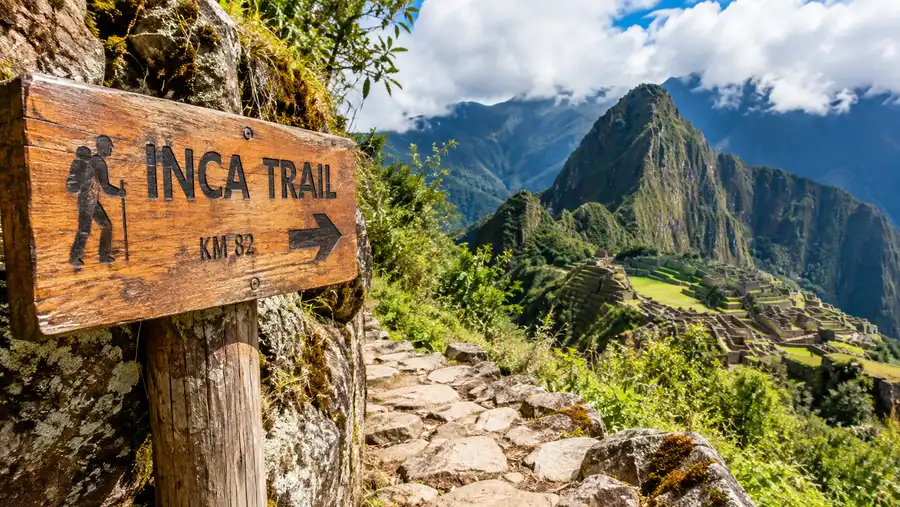
A single day on this trail takes you through multiple distinct ecological zones. You start down along the river near KM 82 at roughly 2,600 meters, climb into alpine puna grasslands above 4,200 meters, and then drop straight into humid sub-tropical cloud forest near Winay Wayna at 2,650 meters. The sheer range of inca trail temperatures will shock you if you only pack for one climate.
During the day, walking uphill carrying an 8-kilo daypack in full Andean sunshine will make 18°C feel like 28°C. You will sweat straight through your base layer within 30 minutes. Two hours later, sitting at the top of Warmiwanusqa waiting for the rest of your group, a 40-knot wind will cut straight through your damp shirt. Hypothermia is a genuine risk on high Andean passes if you stop moving without throwing on windproof layers.
Layering is the only strategy that works. A heavy winter jacket is useless while you are moving because you will overheat instantly. You need modular clothing you can strip off and put back on seven times before lunch.
- Base layer: high-wicking merino wool tops that stay warm even when damp from sweat.
- Mid layer: a breathable grid-fleece or light synthetic vest for chilly valley walking.
- Insulation layer: a quality down jacket with at least 650-fill power for nights around camp.
- Outer shell: a genuine Gore-Tex or equivalent seam-sealed waterproof jacket that blocks biting pass winds.
- Headwear: both a wide-brim sun hat for scorching midday rays and a wool beanie for frosty mornings.
Book your cusco inca trail experience:
When Is the Best Time to Hike the Inca Trail?
If you ask ten different guides to name the best time of year to hike the Inca Trail, eight of them will point straight to May or September. Those shoulder months avoid the suffocating crowds of June and July while skipping the mud-soaked boots of mid-January.
May gives you valleys carpeted in post-rain greenery, crystal streams, and exceptionally clear skies before the trails get ground into fine dust. September gives you warmer sleeping conditions than July, fewer permit bottlenecks, and wonderful sunsets over the western peaks. Looking for a detailed breakdown of permit release dates and booking timelines? Read our comprehensive guide on the best time to hike the Inca Trail to plan your booking window.
If you genuinely despise crowds and do not mind damp socks, late March or late October can be surprisingly rewarding. You will get the ruins almost entirely to yourself at times, which changes the mystical feel of places like Runkurakay and Phuyupatamarca completely.
Rain Management: Surviving the Cloud Forest
Water gets everywhere if you let it. Rain in the Andes often arrives sideways, driven by strong thermal winds pushing up from the Amazon. Standard water-resistant backpacks fail after 45 minutes of sustained downpours, meaning your spare socks and sleeping clothes end up soaking wet before you reach camp.
Never rely solely on the rain cover that came with your backpack. Those elastic covers act like sails in high winds and dump pooled water directly down your back panel. Instead, line the entire interior of your pack with a heavy-duty trash compactor bag or buy dedicated lightweight dry sacks for every critical item.
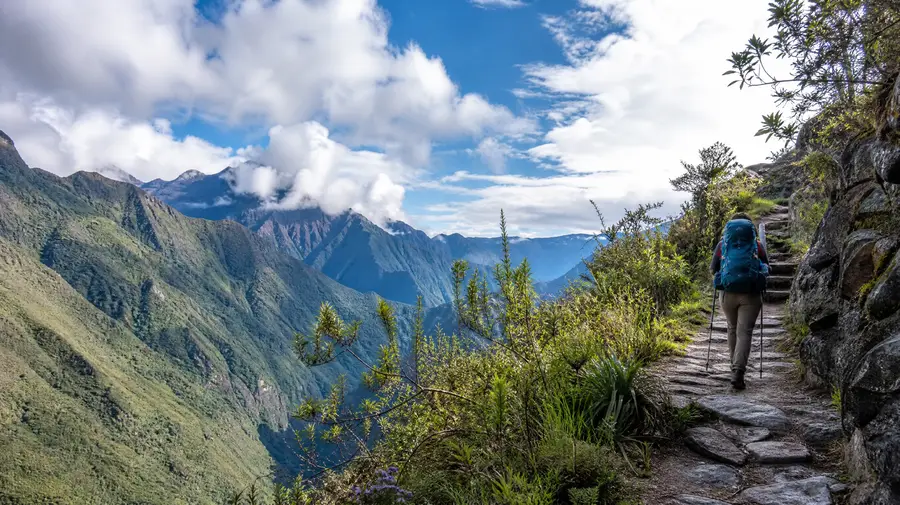
Wet granite steps are the most dangerous part of hiking during rain. Centuries of foot traffic have polished the Inca stones until they are slick as ice when wet. Trekking poles with fresh rubber tips give you two extra points of contact that will save your knees and prevent bad falls on the endless descents into Pacaymayo and Winay Wayna.
- Trekking poles: essential for stabilizing your knees on thousands of slick, uneven stone stairs.
- Internal dry bags: far more dependable than flimsy external backpack rain covers.
- Quick-drying trail pants: heavy cotton cargo pants will stay wet for three straight days in high humidity.
- Merino wool socks: pack at least four clean pairs, keeping one sacred pair strictly inside your dry sleeping bag for camp.
Frequently Asked Questions about inca trail weather
What is the coldest month on the Inca Trail?
July is consistently the coldest month along the route. While daytime highs reach 20°C in the sun, night temperatures at the higher camps drop below freezing, routinely hitting -2°C to -4°C.
Does it rain all day during the wet season?
Rarely. Wet season rain typically follows a pattern: clear or hazy mornings with showers rolling in by early to mid-afternoon. Heavy downpours usually last two to three hours rather than continuous 24-hour storms.
Is the Inca Trail open in February?
No. The trail is completely closed for the entire month of February by government regulation for maintenance, environmental recovery, and safety reasons. It reopens on March 1st.
How cold does it get at Dead Woman's Pass?
At 4,215 meters, the pass itself is frequently buffeted by fierce, sub-zero winds. Even on a clear, sunny July afternoon, wind chill at the pass can make it feel well below 0°C if you linger at the summit cairn.
Can you hike the Inca Trail in November?
Yes. November is the beginning of the rainy season, so you should expect periodic downpours and mist, but temperatures are mild and permits are much easier to secure than in the peak dry months.
Quick Reference
- Dry season runs May through September with freezing nights.
- Wet season spans November through March with afternoon downpours.
- Trail network completely closed every February for conservation.
- Peak weather conditions occur in May, June, July, and August.
- High pass elevations exceed 4,200 meters with extreme wind chill.
Book your cusco inca trail experience:
Before You Pack
Do not let rainy forecasts scare you off, but do not underestimate the cold Andean nights either. Preparing for wide climate swings will protect your trip from turning into an ordeal. Buy your base layers early, test your waterproof shells under a cold shower at home, and lock down your permits months ahead of time. Once you stand at the Sun Gate watching the morning clouds part over Machu Picchu, every freezing night and rain-slicked staircase will make total sense.
Read more about cusco inca trail.