Is the Inca Trail Worth It
You wake up at 4:30 AM to a damp tent, cold mountain air biting your cheeks, and someone handing you a plastic cup of coca tea. Your knees already throb from yesterday's 1,200-meter stone staircase descent, and you still have two days of walking before you reach the Sun Gate. In that exact moment, plenty of people ask themselves if is the inca trail worth it, or if they should have just taken the train from Ollantaytambo like normal tourists. It is an honest question that glossy travel brochures never seem to address.
Every year, thousands of trekkers scramble for permits six months in advance, drop close to a thousand dollars, and subject their lungs to brutal Andean elevation. Some finish the four days weeping with joy when the clouds lift over Machu Picchu. Others finish nursing blown-out knees and mild food poisoning, wondering why they did not just book the VistaDome rail service. Having walked these ancient stones myself and talked to dozens of travelers who took different routes, I have realized the answer depends entirely on what you expect from a hike. Here is the unvarnished reality of the trek, what it genuinely costs, and how to decide if hiking the inca trail worth it for your specific travel style.
Book your cusco inca trail experience:
The Trail Reality: Sweat, Stone Stairs, and Dead Woman's Pass
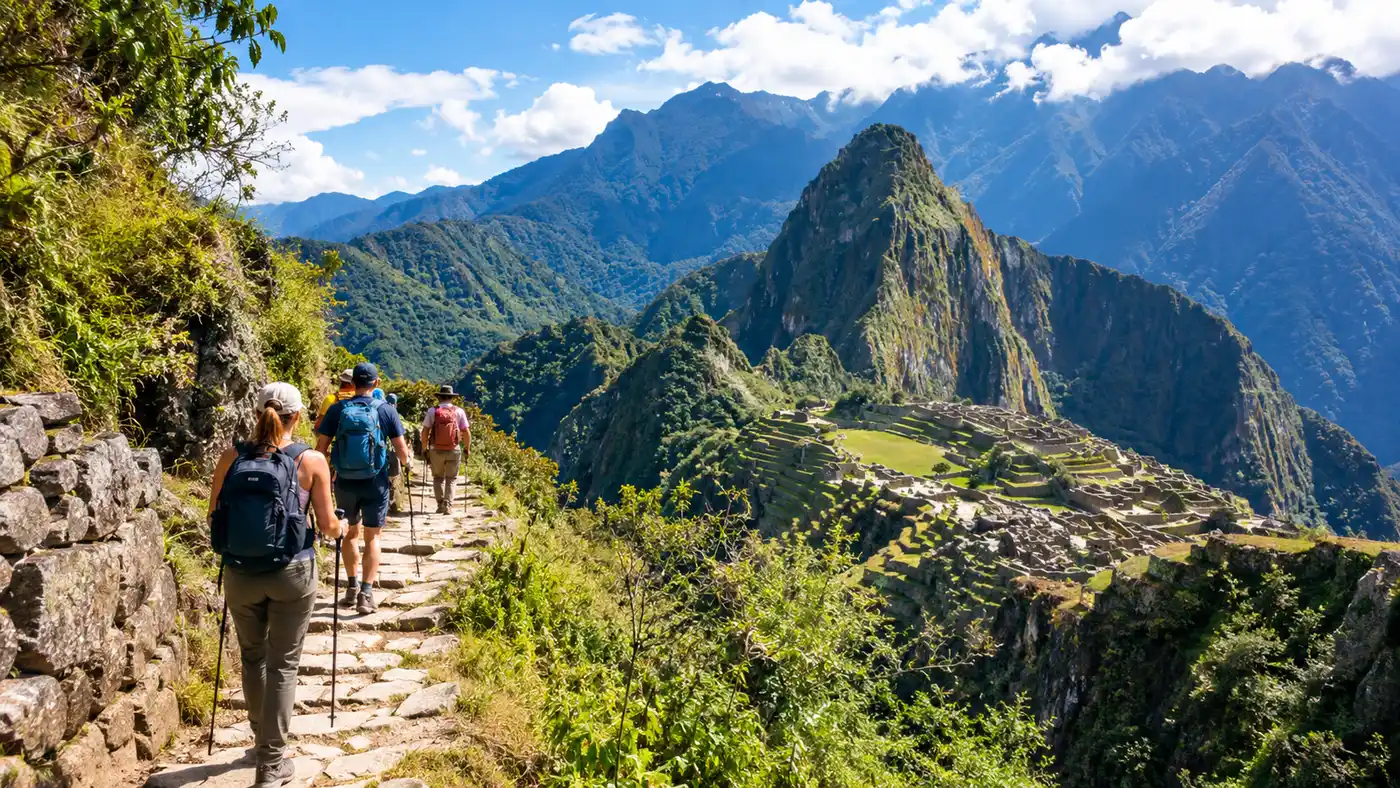
Let us clear up the physical reality first. People ask how many miles is the inca trail, expecting an easy number like 26 miles. That sounds manageable spread over four days, right? Roughly six or seven miles a day. But trail mileage in the Andes is wildly deceptive because flat ground does not exist on this route. You are either dragging yourself up uneven granite steps laid by Quechua masons five centuries ago, or you are pounding your joints descending thousands of slick rock stairs.
Day two is the infamous test. You climb from the valley floor up to Warmiwañusqa, better known as Dead Woman's Pass, at 4,215 meters above sea level. The air feels thin enough to chew. You take ten steps, stop, lean on your trekking poles, breathe like a freight train, and repeat that cycle for four hours straight. If you want a deep dive into the physical strain, read about how hard is the inca trail before booking, because underestimating the altitude ruins more trips than bad weather ever could.
Note: Altitude sickness does not care about your marathon PR or gym routine. Spend at least three full days resting and walking around Cusco (3,400 meters) before your trail start date, or you risk turning day two into a medical evacuation.
Yet the landscape keeps you moving. You walk out of dry scrub valleys into dripping cloud forests full of wild orchids and hanging moss. Ancient ruins like Sayacmarca cling to cliff edges where mist swirls through stone doorways, and unlike Machu Picchu itself, there are only twenty other people standing there with you. The trail forces a quiet camaraderie between strangers that simply does not happen on a morning tour bus.
How Much Does the Inca Trail Cost in Reality?
Budgeting for this trek confuses a lot of first-timers because prices vary wildly depending on the operator. When asking how much does it cost to hike the inca trail, you need to understand that the Peruvian government strictly caps permits at 500 per day - and roughly 300 of those go to porters, cooks, and guides. You cannot legally do this walk solo. You must hire an authorized agency, which directly dictates the baseline price.
Generally speaking, how much does inca trail cost across reputable companies? For a standard group tour on the classic four-day route, expect to pay between $750 and $1,100 per person. If you see a tour advertised for $550, run. Cheap agencies cut costs by paying porters below legal wages, skimping on nutritious food, and overloading staff bags past the legal 20-kilogram weight limit. High-end private tours run anywhere from $1,400 to $2,500 with personal shower tents and wine with dinner, which honestly feels a bit ridiculous for a mountain trek.
| Route / Option | Average Cost (USD) | Duration | Permit Required? | Physical Effort |
|---|---|---|---|---|
| Classic Inca Trail | $750 - $1,100 | 4 Days / 3 Nights | Yes (months ahead) | Strenuous |
| Short Inca Trail (KM 104) | $450 - $650 | 2 Days / 1 Night | Yes (easier to get) | Moderate |
| Salkantay Trek | $400 - $650 | 5 Days / 4 Nights | No (Machu Picchu only) | Very Strenuous |
| Inca Jungle Trek | $300 - $480 | 4 Days / 3 Nights | No (Machu Picchu only) | Moderate / Multi-sport |
| Train from Ollantaytambo | $180 - $350 | Same day / Overnight | Machu Picchu ticket only | Very Easy |
When calculating the overall cost of inca trail hike expenses, factor in tipping. Porter tips are not included in your booking fee. Plan on setting aside roughly 150 to 200 Peruvian soles ($40 to $55 USD) for the porter pool, plus an extra 70 to 100 soles for your head guide and chef. Add gear rentals - a cold-rated sleeping bag and carbon poles usually add $60 - and your total outlay easily clears $950.
What Inca Trail Reviews Often Leave Out
Reading inca trail reviews before leaving, you mostly see people gushing about spiritual awakenings and life-changing sunrises. What they skip over are the squat toilets at Pacaymayo camp on night two. Let me be blunt: by late afternoon, mountain camp toilets can test your emotional limits. Porters do heroic work cleaning them, but hundreds of hikers sharing basic facilities inevitably gets messy.
Another point: you are never truly isolated in the wilderness. The Inca Trail is a managed highway. Campsites are designated, meaning you sleep surrounded by dozens of nylon tents, muffled snoring, and zipper sounds starting at 4:00 AM. It is not an untouched backcountry survival trek where you pitch camp wherever your heart desires.
Pro tip: Rent or pack high-quality trekking poles with rubber tips, and buy knee braces before you arrive in Peru. Your joints will take thousands of heavy impacts on the final day's downhill stone steps into Wiñay Wayna.
Weather is another gamble. If you hike in November or March, you might spend 72 hours inside a drenched rain poncho, walking through thick gray fog where panoramic Andean views should be. Is inca trail worth it when you cannot see twenty feet ahead? For some, the wet slog ruins the memory. For others, emerging through the clouds to catch Machu Picchu appearing through clearing rain mist feels completely transcendent.
Book your cusco inca trail experience:
Short Route Alternative: Is 2 Day Inca Trail Worth It?
Not everyone has four full days or the desire to sleep in the dirt. Travelers constantly ask me: is 2 day inca trail worth it if you still want the hiking experience? The short route begins at Kilometer 104 on the railway line, skipping the extreme altitude of Dead Woman's Pass entirely while retaining the best sights.
You climb past Chachabamba, spend time exploring the terraces of Wiñay Wayna, and walk through the Sun Gate on day one. You sleep in a hotel bed with hot water in Aguas Calientes that evening, then visit Machu Picchu for your main tour the following morning. If your schedule is tight, checking out the short inca trail 2 days explained breakdown helps make sense of the logistics.
Here is why that short route makes enormous sense for specific travelers:
- Time constraints: You finish the entire experience and return to Cusco within 48 hours without burning half your Peruvian vacation on a single trail.
- No wilderness camping: You enjoy a hot shower, a legitimate mattress, and an evening meal at a local restaurant instead of sleeping on a foam mat in near-freezing temperatures.
- Lower altitude exposure: The highest point sits around 2,720 meters, meaning altitude sickness is far less likely to ruin your trek compared to the 4,200-meter pass on the classic trail.
- Access to the Sun Gate: You still get that singular privilege of walking into the citadel on foot rather than riding the switchback bus up from the valley floor.
If you have kids, back problems, or simply value a dry bed after six hours on your feet, the two-day trek is an absolute sweet spot.
Who Should Go, and Who Should Take the Train
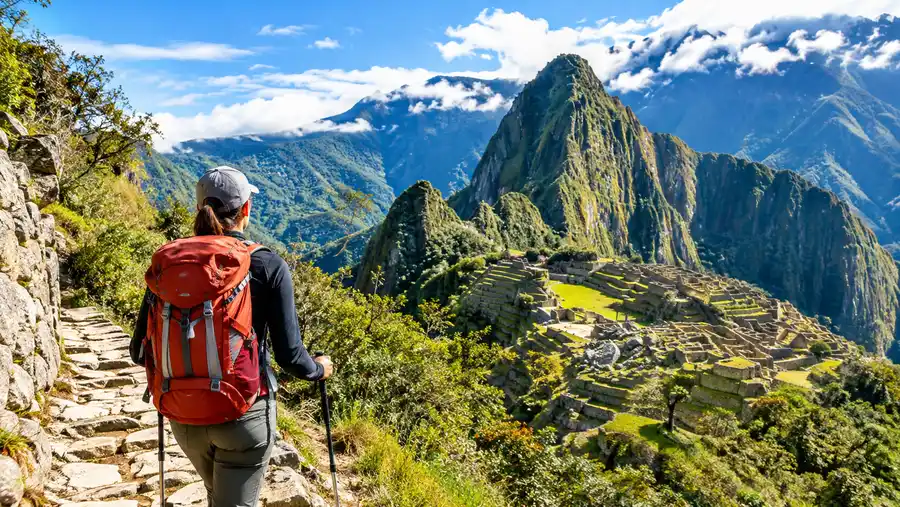
I genuinely believe the Inca Trail worth it status depends on your personal definition of travel satisfaction. It is not mandatory. Taking the train to Aguas Calientes and riding the morning bus to the gates does not make you a lesser explorer. Machu Picchu remains breathtaking regardless of whether your socks are damp from three days of trail sweat.
Consider booking the full trail if these traits sound like you:
- History lovers: You care deeply about visiting isolated Incan complexes like Runkurakay and Phuyupatamarca, which you can only access via this specific trail system.
- Process-oriented travelers: You enjoy earning your destination through physical sweat, blistered heels, and long hours on foot.
- Community minded: You look forward to chatting around a mess tent table over hot soup, exchanging stories with fellow travelers from around the world.
Skip the trail and choose the train or an alternate route if:
- Severe knee or hip issues: The downhill stone stairs are genuinely brutal on joints; physical therapy cannot undo 3,000 feet of granite drop in an afternoon.
- Severe dislike of camping: Four days without proper plumbing and warm running water turns into misery if you hate rustic conditions.
- Budget travelers watching pennies: When asking how much is the inca trail compared to alternatives, remember the Salkantay Trek delivers equal mountain grandeur for almost half the price.
Frequently Asked Questions about is the inca trail worth it
Is hiking the Inca Trail worth it if it rains?
Yes, though it requires mental resilience and solid waterproof gear. Rainy days bring low cloud cover that gives the cloud forest an eerie, cinematic feel, though stone stairs become noticeably slicker.
How far in advance do I need to book the Inca Trail?
For peak months like May, June, and July, you should reserve your permit four to six months in advance. Permits regularly sell out the day they are released each October.
Can beginner hikers manage the classic 4-day route?
Beginners with decent cardiovascular fitness can complete it, provided they give themselves several days to acclimatize in Cusco beforehand and pace themselves steadily on the inclines.
Quick Reference
- Classic length: 26 miles (42 km) over 4 days
- Peak altitude: 4,215 meters (Dead Woman's Pass)
- Permit cap: 500 visitors per day (including staff)
- Average cost: $750 - $1,100 per person
Book your cusco inca trail experience:
My Final Verdict
Standing at Inti Punku at 6:45 in the morning as dawn hits the stone walls of Machu Picchu makes you forget the sleepless nights, the bitter morning frost, and the steep stairs. It remains one of the world's truly iconic walks for good reason. If your health permits, your budget allows for an ethical operator, and you treat the preparation seriously, you will not regret a single step.
Read more about cusco inca trail.