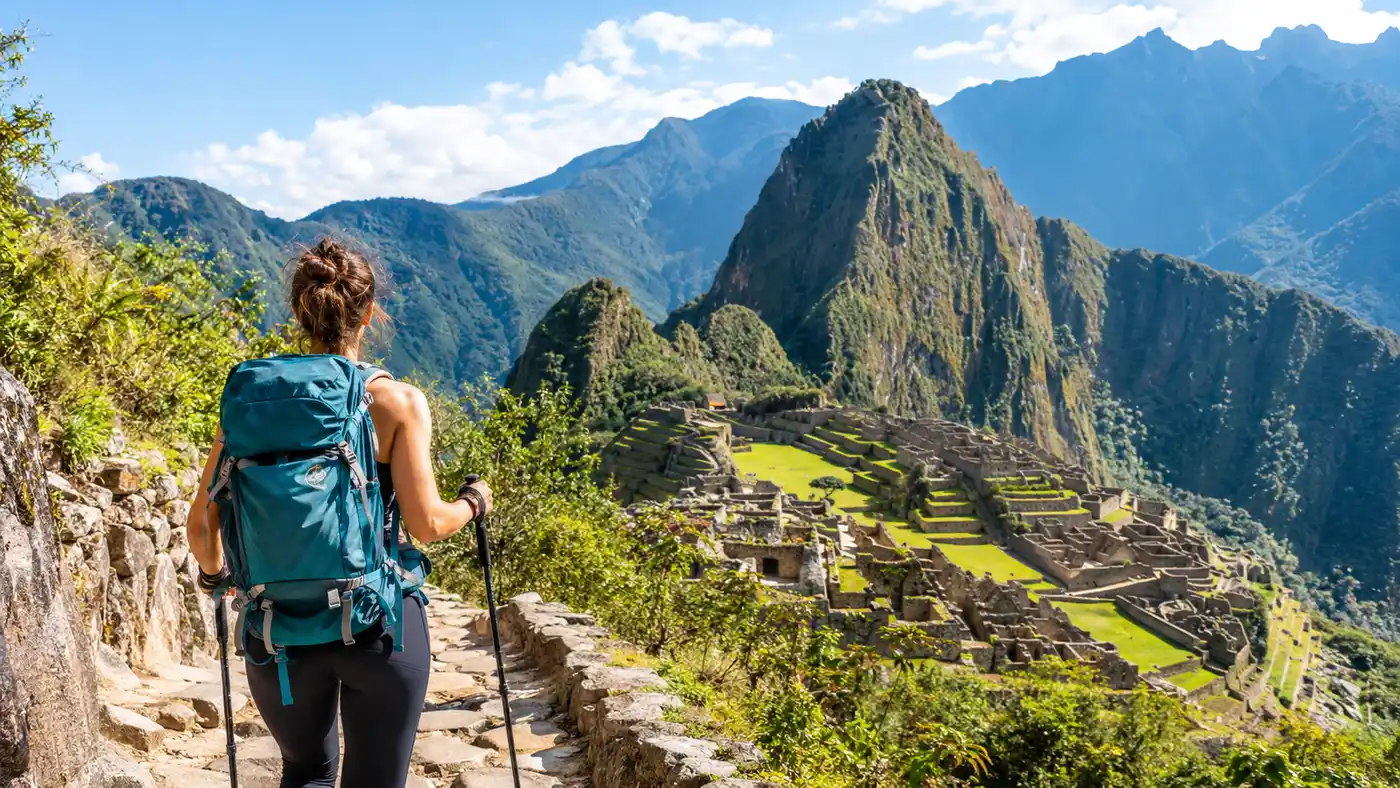
How to Prepare for the Inca Trail Hike
Planning a multi-day trek across the Andes takes some deliberate legwork, and figuring out how to prepare for the inca trail hike usually starts with confronting the brutal reality of mountain stairs. Most people worry about the distance. Forty-three kilometers sounds manageable over four days if you jog on weekends. The problem is that the trail is not flat ground. It is thousands upon thousands of uneven granite steps laid down centuries ago, climbing straight up into thin mountain air and dropping down into damp cloud forests.
If you show up unprepared, you will spend day two gasping over Dead Woman's Pass wondering why you paid good money to punish yourself. Proper preparation touches three distinct areas: your leg strength, your lung capacity, and the small logistics like booking permits half a year early and breaking in your footwear until your feet stop protesting. Getting this right turns what could be an agonizing slog into the best walk of your life.
Book your cusco inca trail experience:
Physical Training: Build Legs for Infinite Stairs
Flat treadmill running will not save you here. The Inca Trail demands eccentric leg strength, which is the muscular tension required to lower your body weight over and over as you descend steep stone steps. Going up hurts your lungs, but coming down tears your quads to ribbons. If your knees are prone to aching on descents, that ache will compound on day three when you drop nearly 1,000 vertical meters across slippery rock.
I started training twelve weeks out. Find a stadium, a tall office building, or a local trail with a nasty elevation profile. Load a backpack with five kilograms of rice or water bottles and climb. Walk up, take the elevator down if you must in the first two weeks, then start walking down too. Your stabilizers in your ankles and knees need to wake up long before you land in Peru. Weighted step-ups on a wooden gym box work wonders if you live somewhere pancake-flat like the Midwest or eastern England.
Cardio matters, but steady-state hiking endurance matters more. Spend four hours on your feet on Saturdays. It teaches your feet to tolerate heat and pressure, and it shows you where your shoes rub before you are stuck three days from the nearest pharmacy. Check out our realistic breakdown on how hard the route actually feels to gauge what you are up against physically.
| Training Phase | Weeks Out | Primary Weekly Focus | Key Benchmark Session |
|---|---|---|---|
| Base Aerobic | Weeks 12 to 9 | Zone 2 cardio and basic squat mobility | 60-minute brisk walk with 4kg pack |
| Stair Loading | Weeks 8 to 5 | Eccentric quad loading and step intervals | 80 flights of stairs or 700 step-ups |
| Trail Simulation | Weeks 4 to 2 | Back-to-back long trail days with full gear | 14km hilly hike with 6kg daypack |
| Taper & Rest | Week 1 | Joint mobility, stretching, deep sleep | Light 30-minute flat walk |
Managing Altitude and Acclimatization
You cannot train for altitude at sea level. You can be an Ironman triathlete and still end up curled around a toilet in your Cusco hotel room if you rush the schedule. Cusco sits at 3,400 meters above sea level, which is already high enough to give you a throbbing headache within three hours of stepping off the plane. The highest point on the classic trail, Warmiwañusqa (Dead Woman's Pass), reaches 4,215 meters.
Book at least three full days in Cusco or the Sacred Valley before your trek begins. This is non-negotiable. Spend your first afternoon resting, drinking water, and avoiding heavy cuts of alpaca steak. Walk slowly around the Plaza de Armas. Your resting heart rate will probably sit fifteen beats higher than normal for the first forty-eight hours while your kidneys work to balance your blood pH. Take this time to read up on the highest point along the trail so you know what symptoms to watch for.
Note: Diamox (acetazolamide) requires a prescription in most western countries, but you can buy it over the counter in Peruvian pharmacies under the name Acetak for around 15 soles. Test it at home first to check for odd side effects like tingling fingers or frequent bathroom trips.
Coca tea helps slightly with mild headaches, but it is not a miracle cure. Water is what keeps your blood volume up in the dry Andean climate. Aim for three to four liters daily while hanging around town. Alcohol hits twice as hard at 3,000 meters, so save the pisco sours for the celebration dinner in Aguas Calientes after you walk through the Sun Gate.
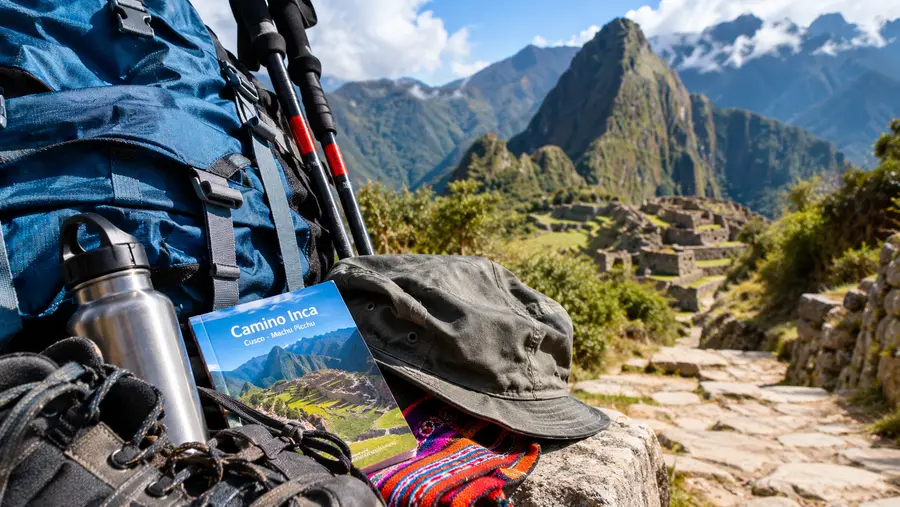
Gear Choices That Make or Break Your Trek
You do not need to buy out an outdoor retail shop, but a few bad choices will ruin your trip quickly. Footwear comes first. Trail running shoes with deep lugs work fine for many hikers, but sturdy mid-cut hiking boots offer protection against rolling an ankle on wet stones. Whichever you choose, break them in thoroughly. Put fifty kilometers on them across rough terrain before packing them into your suitcase.
Temperatures swing wildly in the Andes. You will start hiking at 8:00 AM in shorts and a t-shirt sweating under intense high-altitude sunshine. By 6:30 PM at your campsite, the wind drops down from the glaciers and the mercury sinks close to freezing. A complete layering system is your best defense against misery.
Pro tip: Pack two or three heavy-duty dry bags inside your daypack. Andean afternoon cloudbursts will penetrate cheap pack covers in about twenty minutes, and sleeping in damp merino wool makes for a miserable night.
To avoid overpacking, consult our detailed Inca Trail packing checklist. Porters carry your main duffel bag, but they have strict weight limits mandated by Peruvian labor law. Usually, your allotted weight is between 5 and 6 kilograms, which includes your sleeping bag and sleeping mat. Every extra ounce stays in your personal daypack on your own shoulders.
- Trekking poles: Essential for protecting your knees on steep downhill sections, but make sure they have rubber tips since metal tips are banned on Inca stonework.
- Merino base layers: Wool stays warm when wet and resists odor across four days of zero showers.
- Headlamp with red light: Crucial for 4:00 AM wake-up calls and navigating camp paths without blinding your tent-mate.
- Blister kit: Pack Compeed patches and leukotape in your daypack, not your porter duffel, so you can address hotspots immediately.
- Electrolyte powders: The dry mountain air leeches minerals quickly, and plain boiled water gets boring by day three.
Book your cusco inca trail experience:
Logistics, Permits, and Bureaucracy
The Peruvian government limits foot traffic to 500 people per day on the classic route. That number sounds high until you realize roughly 300 of those permits go to porters, guides, and cooks. Only about 200 tourist permits exist for each date. For peak dry season months like June and July, permits vanish minutes after they open in October or November of the previous year.
Always book through a licensed operator. You cannot legally step onto the Inca Trail independently. When booking, make sure your passport details match your actual document exactly. If your passport expires before your trip and you renew it, you must bring both the old physical passport used for the booking and your new valid passport to the trail checkpoint at KM 82. The park rangers verify every digit against the master manifest, and they turn people away without hesitation.
- Passports: Must have at least six months of validity remaining from your entry date into Peru.
- Travel insurance: Verify your policy explicitly covers trekking up to 4,500 meters, as many standard plans cut off at 3,000 meters.
- Cash reserves: Carry roughly 300 to 400 Peruvian soles in small bills for tipping your porter team and buying water from local vendors on day one.
- Luggage storage: Coordinate with your Cusco hotel to leave your main rolling suitcase behind in their luggage room for free during the trek.
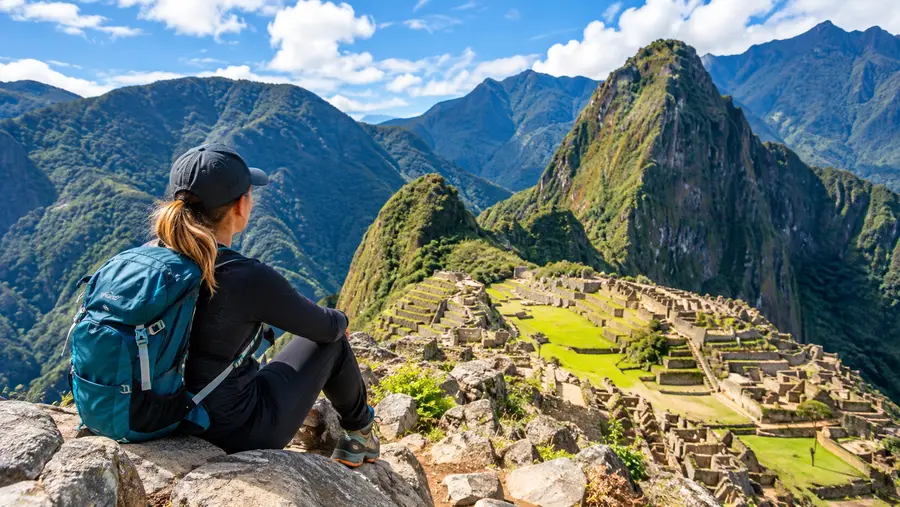
Mental Preparation and Camp Realities
Physical fitness gets you up the hill, but your mindset decides whether you actually enjoy the experience. The trail is communal. You will share mountain campsites with dozens of other hiking groups, wake up to guides shouting greeting calls outside your tent at 5:00 AM, and deal with rustic sanitation facilities. If you need hotel-grade luxury to stay happy, the trail will test your patience.
Camp toilets vary from clean chemical port-a-potties provided by premium operators to basic government squat toilets over deep pits. Pack your own toilet paper and a small bottle of hand sanitizer in an accessible outside pocket of your daypack. Never flush paper into trailside facilities; use the trash bins provided.
You also need to embrace the slow pace. There are no medals for reaching the evening campsite first. Walking too fast robs your lungs of oxygen and spikes your heart rate unnecessarily. The local Quechua porters will glide past you wearing sandals and carrying forty-pound loads, making your expensive technical gear look ridiculous. Let them pass, find a steady rhythm where you can speak three words without gasping, and take in the orchids, stone stairways, and misty mountain ridgelines.
Frequently Asked Questions about how to prepare for the inca trail hike
How many months in advance should I train for the Inca Trail?
Starting focused stair and cardio training eight to twelve weeks beforehand gives your joints, tendons, and calves sufficient time to adapt to heavy eccentric loads without injury.
Can you hike the Inca Trail if you are out of shape?
People with moderate fitness complete it every week, but it will feel like pure survival. Basic cardiovascular conditioning and strong quads turn a grueling ordeal into a memorable trip.
What is the single biggest mistake hikers make when preparing?
Rushing from sea level to the trail with only one night in Cusco. Giving your body three full days to acclimatize to 3,400 meters prevents altitude sickness and exhaustion on day two.
Quick Reference
- Acclimatization: 3 full days in Cusco minimum
- Peak pass elevation: 4,215 meters at Warmiwañusqa
- Permit window: Book 6 to 9 months ahead for dry season
- Porter duffel limit: Usually 5kg to 6kg per hiker
Book your cusco inca trail experience:
Before You Tie Your Laces
The Inca Trail is demanding, wet, cold, and entirely magical when approached with the right respect. Do not obsess over shaving grams off your pack while neglecting your step workouts. Put your boots on this weekend, find the nearest flight of outdoor concrete stairs, and start putting in the climbing miles. When you stand on the ridge above the Sun Gate watching the cloud cover pull back from Machu Picchu, every sore muscle from your training months will have paid for itself.
Read more about cusco inca trail.