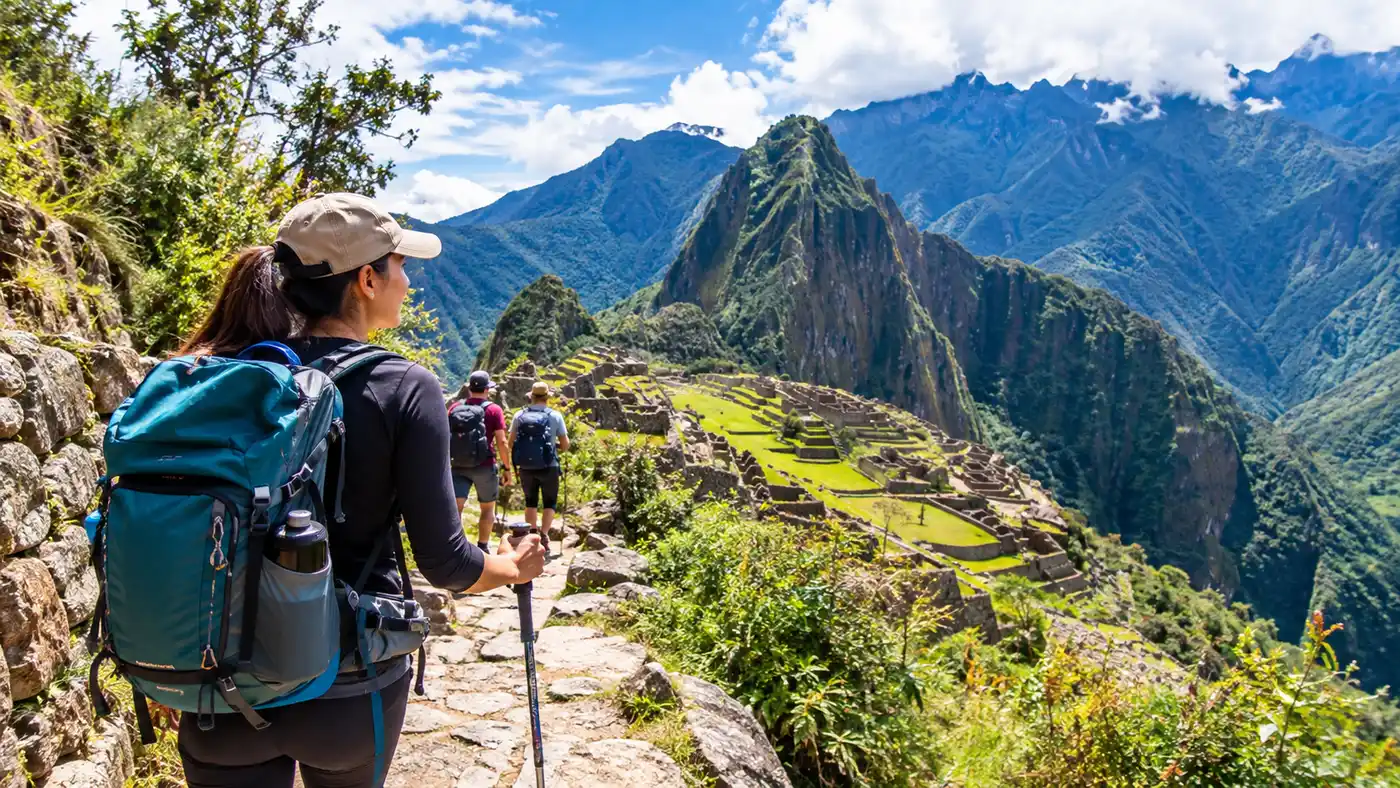
What to Wear on the Inca Trail
Standing at Km 82 outside Ollantaytambo at six in the morning, your teeth will probably chatter. The Urubamba River roars fifty yards away, the morning air smells of wet eucalyptus, and you will see hikers frantically adjusting pack straps while shivering in lightweight fleeces. Half of them wore too much clothing for the flat morning walk. The other half made the mistake of leaving their warm gear buried deep inside a porter bag that they will not see again until four in the afternoon. Getting your clothing dialled in before you step foot on the stones makes the difference between four days of misery and the trip of your life. Above all else, finding dependable hiking boots for inca trail passes will save your knees, your toenails, and your sanity.
You are going to walk through four distinct ecological zones in roughly 72 hours. You begin in a dry cactus valley, grunt up over a wind-blasted alpine pass at 4,215 meters, plunge down into dripping cloud forest, and end among subtropical orchids at the Sun Gate. Packing for that variety sounds like a nightmare. It really is not, provided you understand how each garment works with the next. You will wear the same dirt-stained pants three days in a row, and honestly, nobody will care.
Book your cusco inca trail experience:
The Three-Layer System for Mountain Shifts
Mornings in the Andes begin cold. By nine, the equatorial sun cuts through the thin air and burns your neck, even when the thermometer reads only 15 degrees Celsius. If you start walking in a heavy down coat, you will soak your base layers with sweat within twenty minutes. Wet clothes at high elevation are dangerous because the second you stop for water at a checkpoint, that sweat turns to ice against your ribs.
Think in three separate shells. Your next-to-skin layer moves moisture off your back. Synthetic polyester or merino wool in the 150 to 200 gsm range works best here. Avoid cotton entirely. Cotton holds water like a sponge, takes twelve hours to dry in damp tent air, and rubs your skin raw under heavy hip belts. Over that, wear a midweight fleece or an ultralight grid fleece. It traps warm air when you rest but breathes well enough while you hike. On top goes your weather shell, which stops Andean wind and sudden mountain squalls dead in their tracks.
A pair of convertible trekking pants or stretchy nylon trail trousers works wonders. You might feel silly unzipping your legs into shorts at 10:00 AM, but when the afternoon heat reflects off pale white granite terraces, you will be glad you did.
- Base layer top: lightweight merino wool or synthetic crew, short or long sleeve depending on your sunburn tolerance.
- Active insulation: a 100-weight fleece or breathable synthetic jacket with a full zip so you can dump heat quickly.
- Weather barrier: a dedicated waterproof jacket with taped seams and pit zips to regulate temperature on steep ascents.
- Lower body: abrasion-resistant nylon hiking pants, ideally with a durable water-repellent finish for morning dew.
Choosing the Right Hiking Boots for Inca Trail Terrain
The trail is not a soft dirt path through pine needles. It is roughly 26 miles of unforgiving Inca paving, hand-hewn steps, uneven stones, and slick boulders polished smooth by centuries of footsteps. Every single step down Dead Woman's Pass sends shockwaves straight up through your arches, shins, and patellar tendons. The debate between trail runners and mid-cut boots gets heated among thru-hikers, but high mountain granite demands serious respect.
Traditional mid-cut hiking boots with stiff midsoles remain the most reliable choice for most hikers. They provide lateral stability when your foot lands half on an angled step in the pouring rain. A rock plate inside the sole prevents stone bruising across your metatarsals, which becomes excruciating by Day 3 if your shoes are too flimsy. If you have weak ankles or tend to roll your feet when exhausted, ditch the ultralight sneakers and bring proper boots with good collar padding.
Note: Gore-Tex linings keep creek splashes out, but if water pours down your socks during a downpour, waterproof boots take days to dry in Andean humidity. Pack gaiters if heavy rain is forecast.
Look for sticky rubber outsoles with deep, widely spaced lugs. Vibram Megagrip or proprietary equivalents bite into damp limestone far better than hard rubber compounds designed for dry dirt roads. Pay attention to how the boot feels when descending steep ramps. Your toes must not jam against the front of the toe box. When in doubt, buy a half-size larger than your standard street shoe to leave room for swollen feet and thick wool socks.
| Footwear Style | Ankle Support | Weight (Pair) | Grip on Wet Stone | Best Suited For |
|---|---|---|---|---|
| Mid-Cut Hiking Boot | High | 950 - 1200g | Excellent (vibram lugs) | Beginners, heavy packers, rocky descents |
| Trail Running Shoe | Low | 600 - 750g | Good to Moderate | Experienced hikers, fast packers, dry season |
| Approach Shoe | Moderate | 800 - 950g | Superb (sticky rubber) | Scrambling, sure-footed hikers who want low cut |
| Heavy Leather Backpacking Boot | Maximum | 1400 - 1800g | Moderate | Overkill for the Inca Trail; causes fatigue |
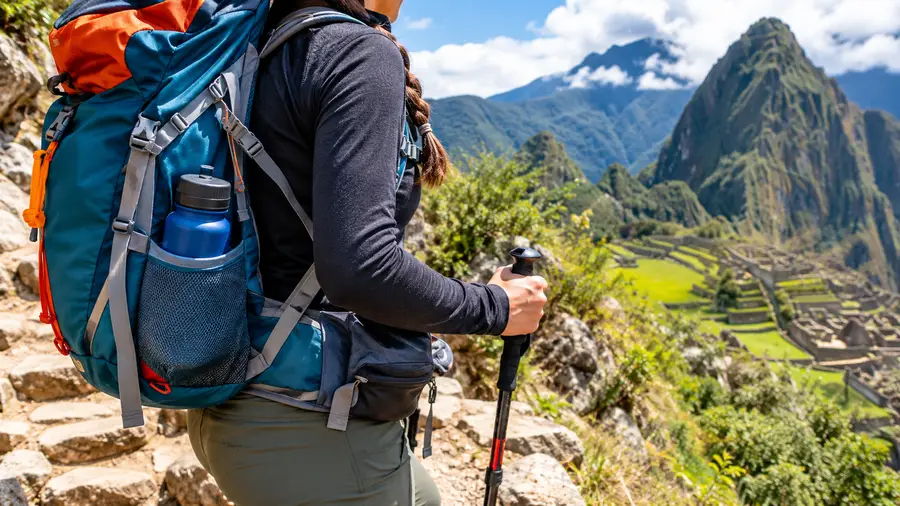
Breaking In Hiking Boots for Inca Trail Steps and Passes
Never take factory-fresh boots out of the box at Km 82. That is a recipe for raw heels and purple toenails before you even reach the first night camp at Wayllabamba. The stone staircases of Peru will punish any friction point in your footwear. You need at least 40 to 50 miles on your boots before boarding the plane to Lima.
Do not just walk around your neighborhood on flat sidewalks. Find a local stadium, parking garage stairwell, or steep trail with steps. Load a daypack with eight or nine kilos of books or water bottles. Walk up and down until your calves burn. This breaks down the midsole stiffener, molds the footbed to your arches, and reveals pressure points where seams might bite into your ankles.
Pro tip: Coat your heels and the balls of your feet with anti-chafe balm or apply strips of leukotape before leaving camp each morning to stop friction blisters before they start.
Socks matter as much as the boot itself. Bring three pairs of medium-cushion merino wool socks for walking, plus one dry pair kept strictly in your sleeping bag for camp. A thin synthetic liner sock beneath your wool pair can cut friction down to near zero if you are prone to hot spots. Our complete Inca Trail packing list complete guide covers the small foot-care extras that save your trip.
Book your cusco inca trail experience:
Camp Clothes, Cold Nights, and What Stays in the Duffle
The moment you hike into camp and drop your daypack, your body cools down fast. The high camps at Pacaymayo (3,600 meters) and Phuyupatamarca sit exposed to biting mountain drafts. You will want dry, warm clothes within arm's reach.
Porters carry your main duffle bag, which has a strict weight limit set by Peruvian regulations, usually around 5 to 6 kg for your personal gear once the sleeping pad and bag are factored in. Keep your camp kit compact. A packable down jacket with at least 650-fill power offers the best warmth-to-weight ratio. Slip into a dry pair of thermal leggings, pull on a clean long-sleeve merino shirt, and switch your stiff footwear for camp sandals or lightweight recovery shoes.
- Down puffy jacket: rated for freezing temperatures, preferably with an insulated hood.
- Thermal base layers: 250 gsm merino leggings and top, saved exclusively for inside the tent.
- Camp footwear: lightweight slip-ons, EVA clogs, or running sandals paired with warm socks to let your feet air out.
- Fleece beanie: warm enough to sleep in when frost coats the tent fly at dawn.
- Midweight gloves: wind-resistant fleece or softshell gloves for cold dinners in the dining tent.
Sleeping warm makes all the difference when tackling steep climbs the next day. If you struggle with the cold, do not sleep in your wet hiking pants hoping they will dry from body heat. They will just sap your core warmth and leave you shivering through the night.
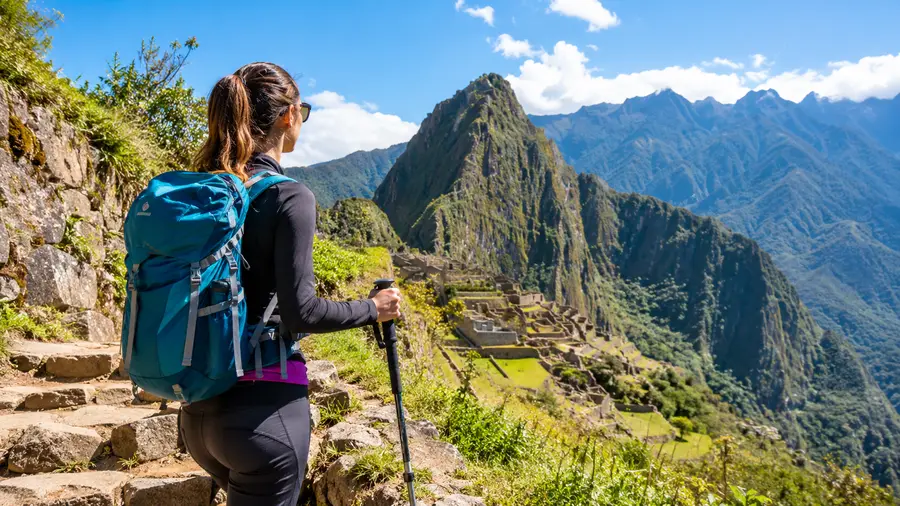
Sun, Rain, and Head-to-Toe Trail Accessories
High elevation means fierce ultraviolet radiation. At 4,000 meters, you burn in half the time it takes at sea level. A wide-brim hat or a baseball cap with a lightweight neck gaiter protects your ears and scalp. Polarized sunglasses are non-negotiable because the bright granite steps reflect sunlight upward into your eyes all day long, causing headaches that people often mistake for mild altitude sickness.
Rain gear needs careful thought. Afternoon showers sweep across the ridges without warning, especially if you hike in shoulder months. A cheap plastic poncho might seem light, but Andean wind will shred it into ribbons along exposed ridges. Invest in a proper breathable rain jacket with a hood that cinches tight around your face. Rain pants are worth their weight on Day 2 and Day 3 when stone descents turn into miniature waterfalls. Understanding how hard is the Inca Trail in wet conditions helps you appreciate why dependable waterproof layers are mandatory.
A simple buff or neck tube serves four purposes on this route. It keeps wind off your throat on high passes, blocks dust kicked up by pack mules on Day 1, warms your nose during cold nights, and shields your neck from midday sunburn. Toss two of them in your daypack.
Frequently Asked Questions about hiking boots for inca trail
Can I hike the Inca Trail in regular running sneakers?
You can physically do it, but you will probably regret it. Regular running shoes have soft foam soles that let sharp granite edges bruise the soles of your feet. They also lack grip on wet, mossy stones, which creates a slipping hazard on thousands of downward steps.
Do I need waterproof boots for the dry season?
Even in dry months like June and July, morning dew, mountain seeps, and unexpected cloud bursts happen. Waterproof footwear keeps your feet dry through muddy ruts and stream crossings, though breathable non-waterproof shoes dry faster if soaked.
How many pairs of hiking socks should I bring?
Four pairs total. Three pairs of cushioned merino wool socks for the hiking days, rotating them so one can dry on your pack, plus one clean, warm pair reserved strictly for sleeping in your tent.
Quick Reference
- Mid-cut boots with Vibram soles give the best balance of ankle support and stone protection
- Merino wool base layers prevent chafing and stay warm when damp
- Pack a 650+ fill down jacket for freezing nights at high camps
- Wide-brim hat and UV sunglasses are essential against equatorial high-altitude sun
- Never hike in brand-new boots without at least 40 break-in miles
Book your cusco inca trail experience:
The Bottom Line
Your clothing choices directly shape how much you enjoy this journey. When your feet are dry, your heels are blister-free, and you have warm layers waiting at camp, you can focus on the mist clearing over Wiñay Wayna instead of your cold toes. Invest in quality footwear, break it in weeks ahead of departure, layer up smartly, and take the Inca stones one step at a time.
Read more about cusco inca trail.